By Marcus Flynn, tracking and attribution editor. Updated 14 September 2026.
RedTrack is a strong tool, but it is not the right tool for everyone. The default first tracker for most direct-response buyers: CAPI on every plan, ad-level spend sync, and an entry price a solo operator can carry. If that does not describe you, here are the alternatives worth weighing, ranked by who each one suits best.
Quick answer
Voluum is our top pick for most people.
The veteran affiliate and media-buying tracker: click routing, S2S postbacks, cookieless tracking and a strong anti-fraud kit, priced for buyers who live in native, pop and push.
Voluum. Best for Affiliate and native/pop/push buyers. From $119/mo.
Hyros. Best for High-ticket info, webinar and call funnels.
Binom. Best for High-volume affiliate and media buyers comfortable running a server. From $149/mo.
FunnelFlux. Best for Media buyers tracking complex, multi-step funnels. From $99/mo.
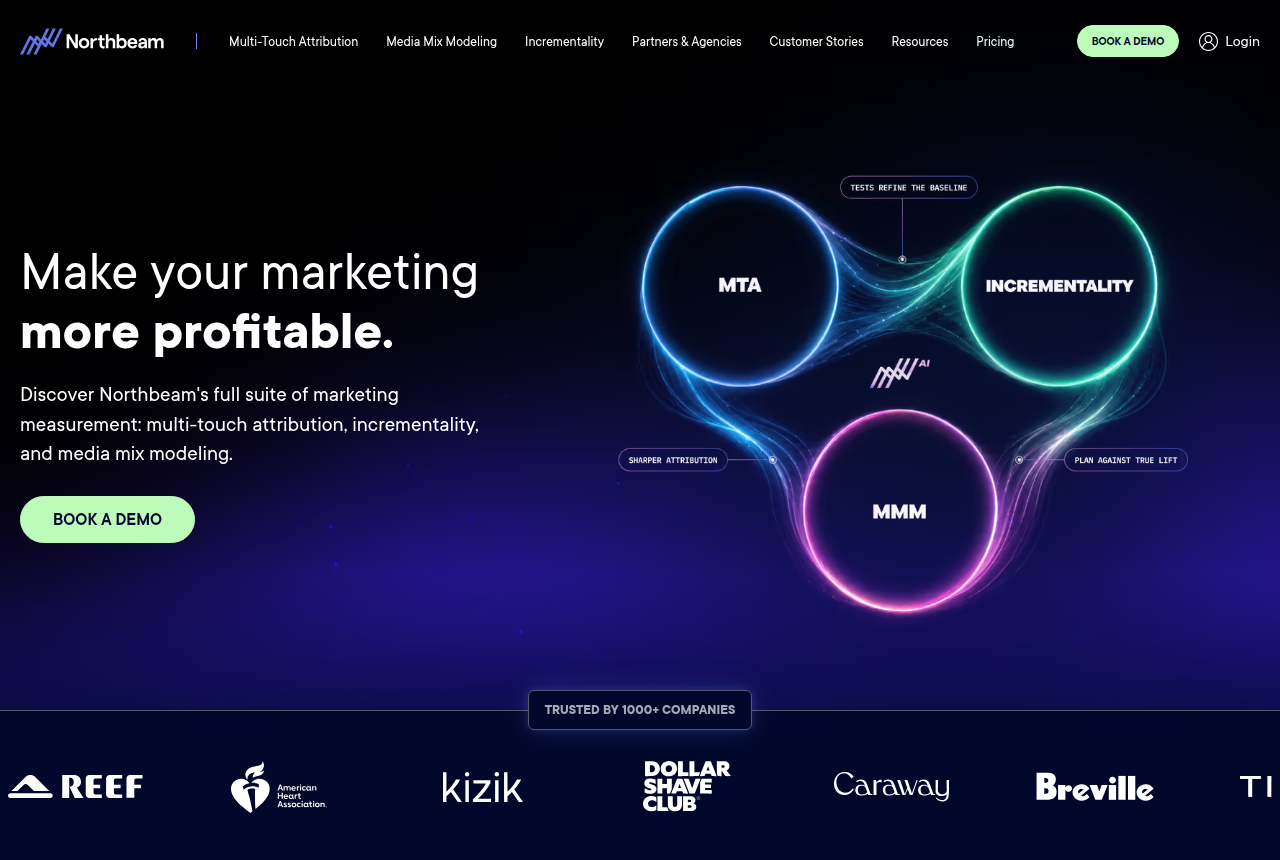
Northbeam. Best for Scaled DTC ecommerce brands. From $1,500/mo.
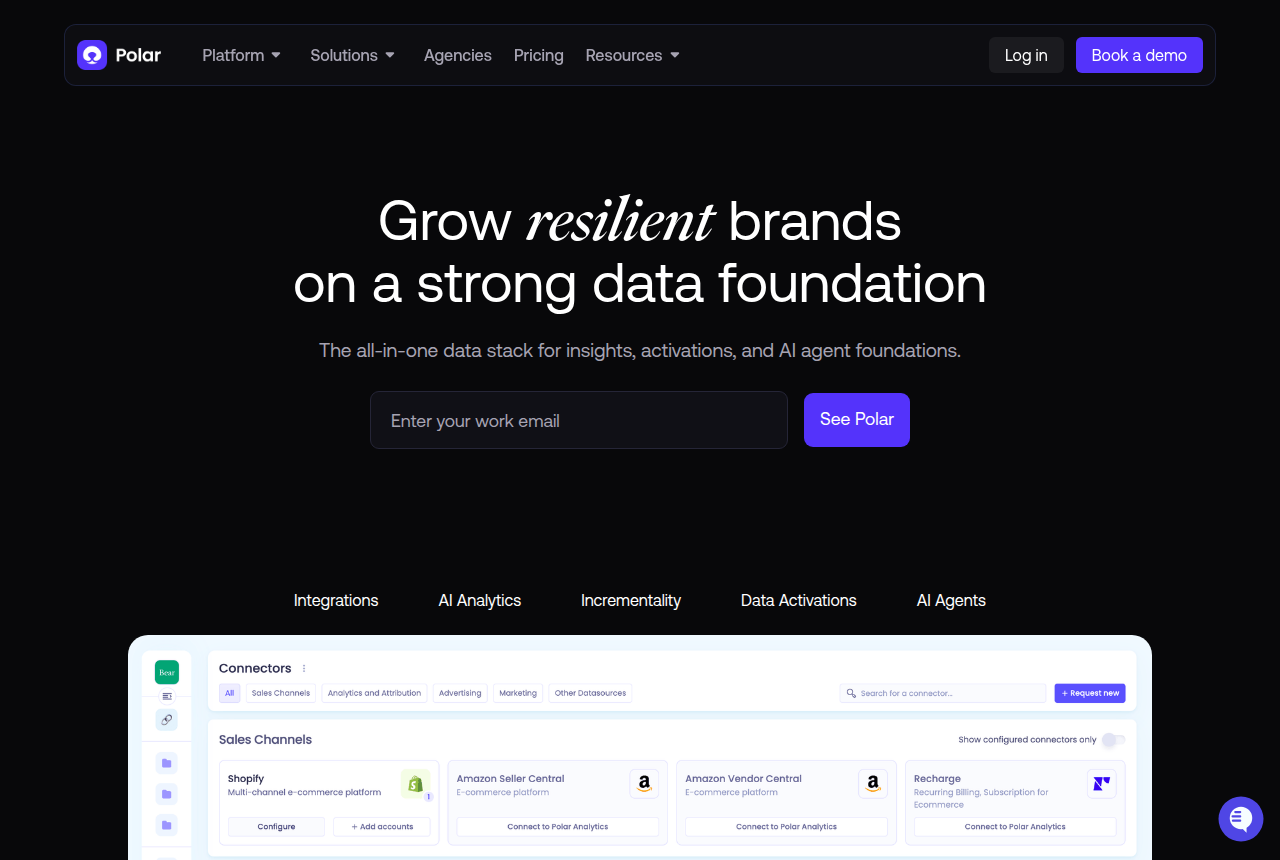
Polar Analytics. Best for Shopify brands centralizing profit and marketing reporting.
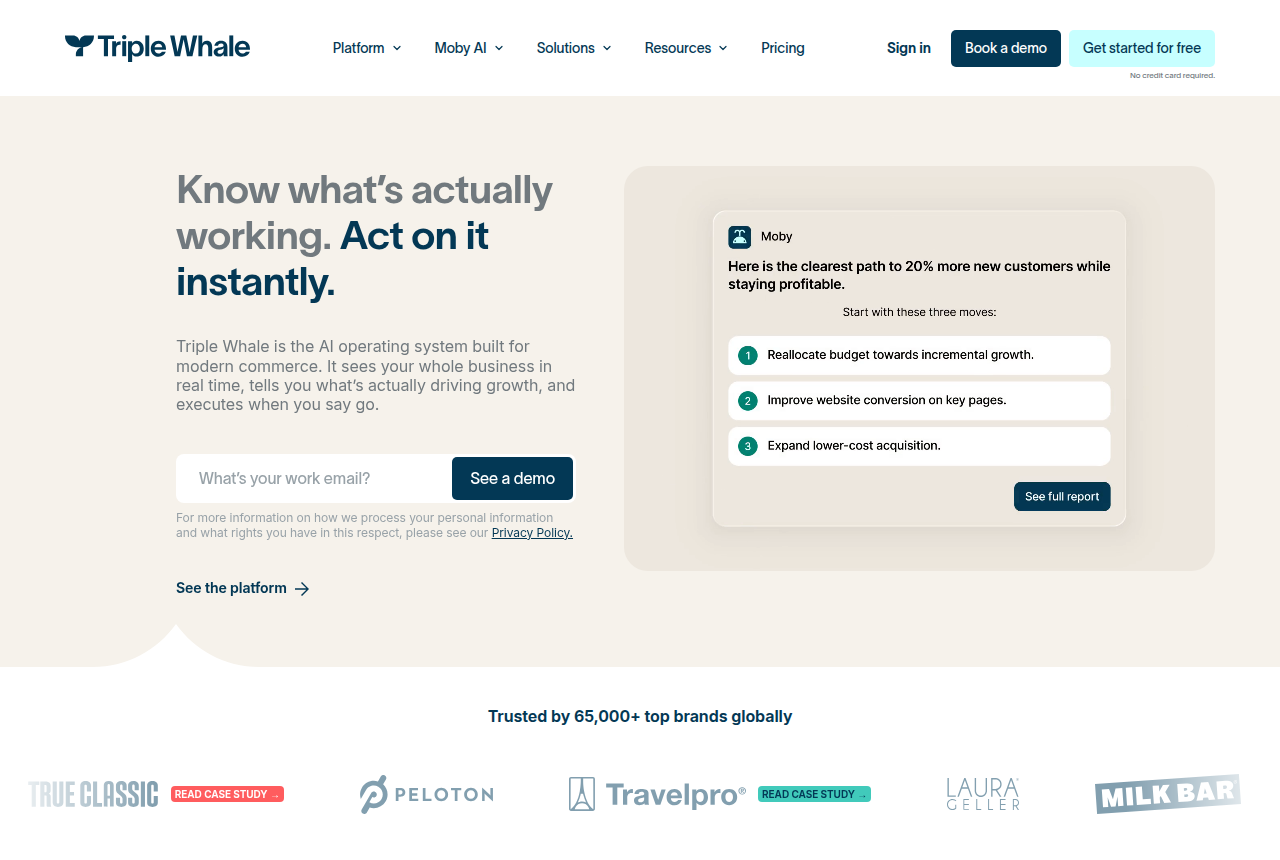
Triple Whale. Best for Shopify DTC brands wanting attribution and AI insights in one app. Has a free tier.
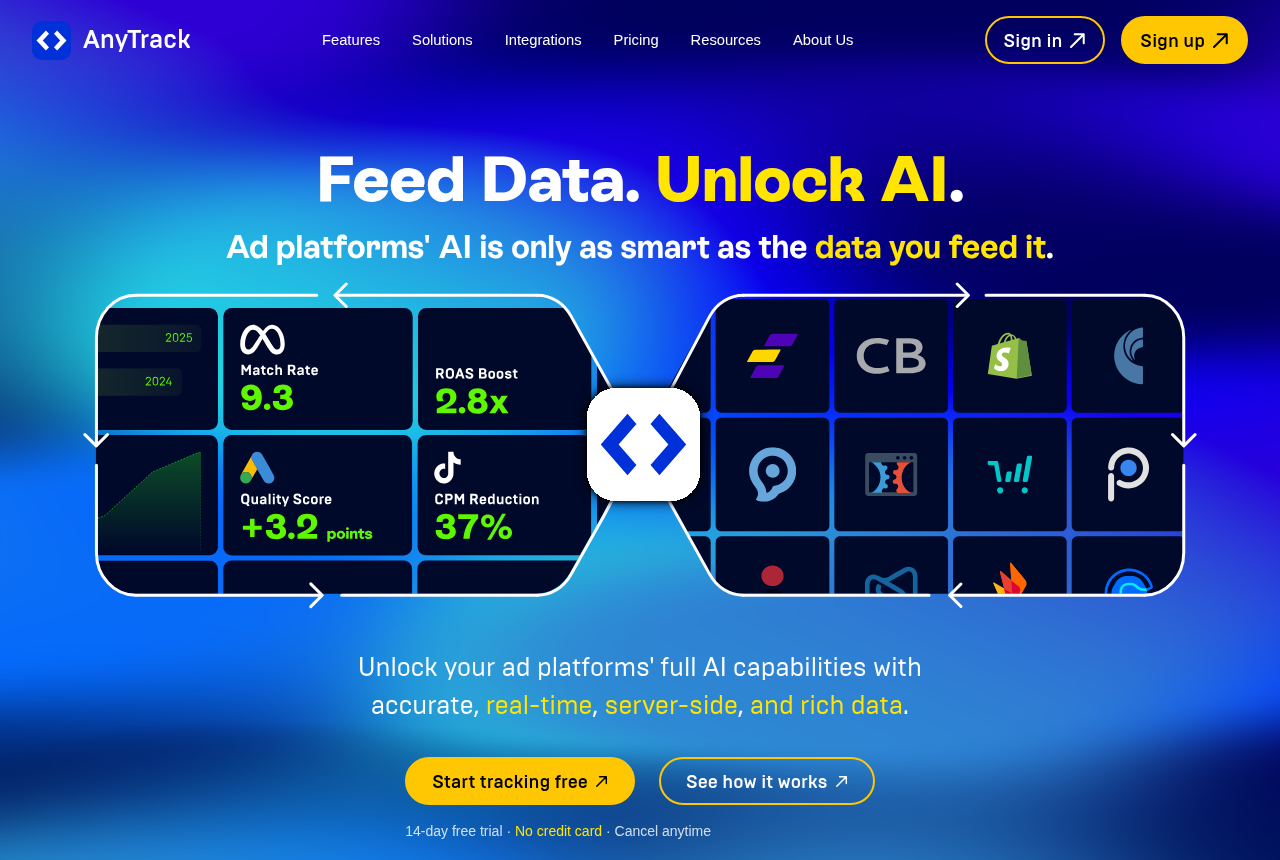
AnyTrack. Best for marketers who want server-side tracking without a developer. Has a free tier.
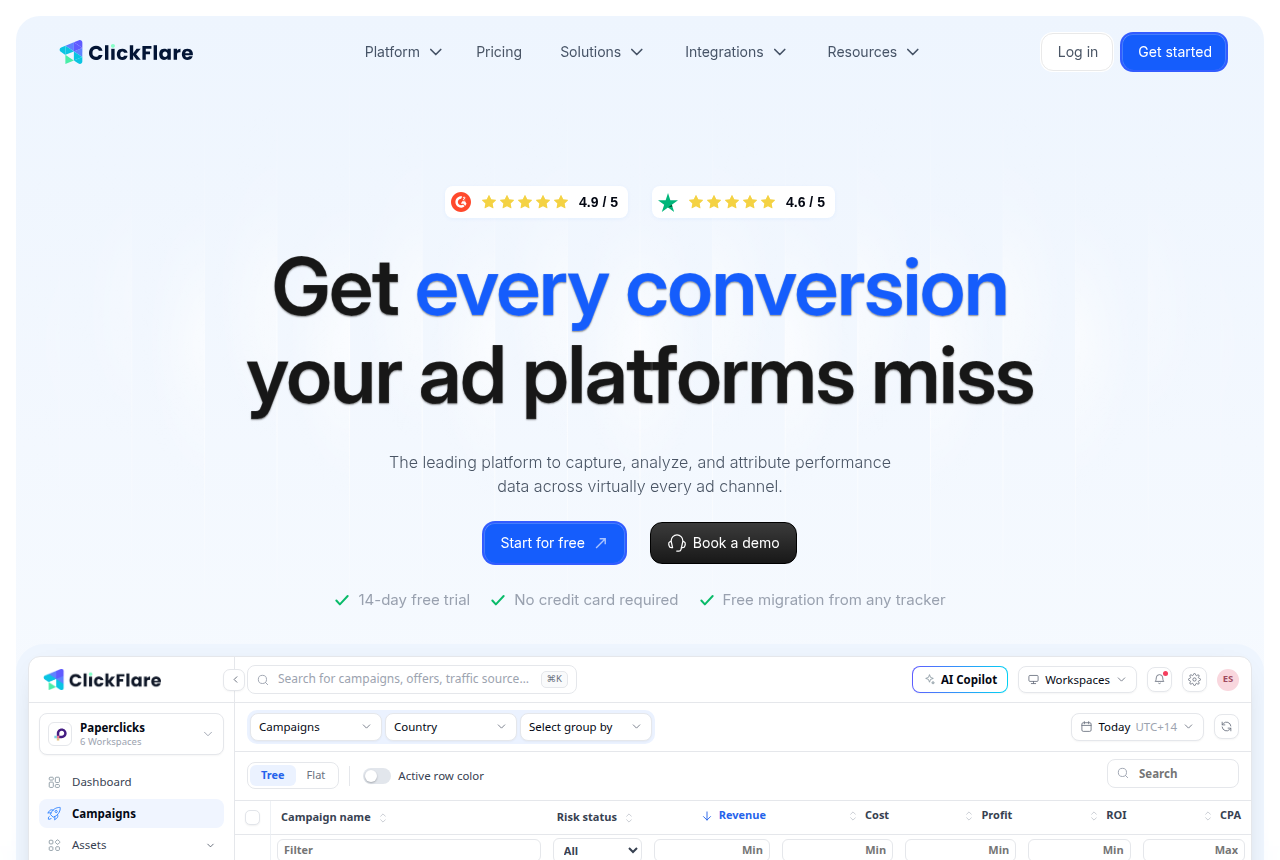
ClickFlare. Best for buyers who want flat, predictable pricing at scale. From $69/mo.
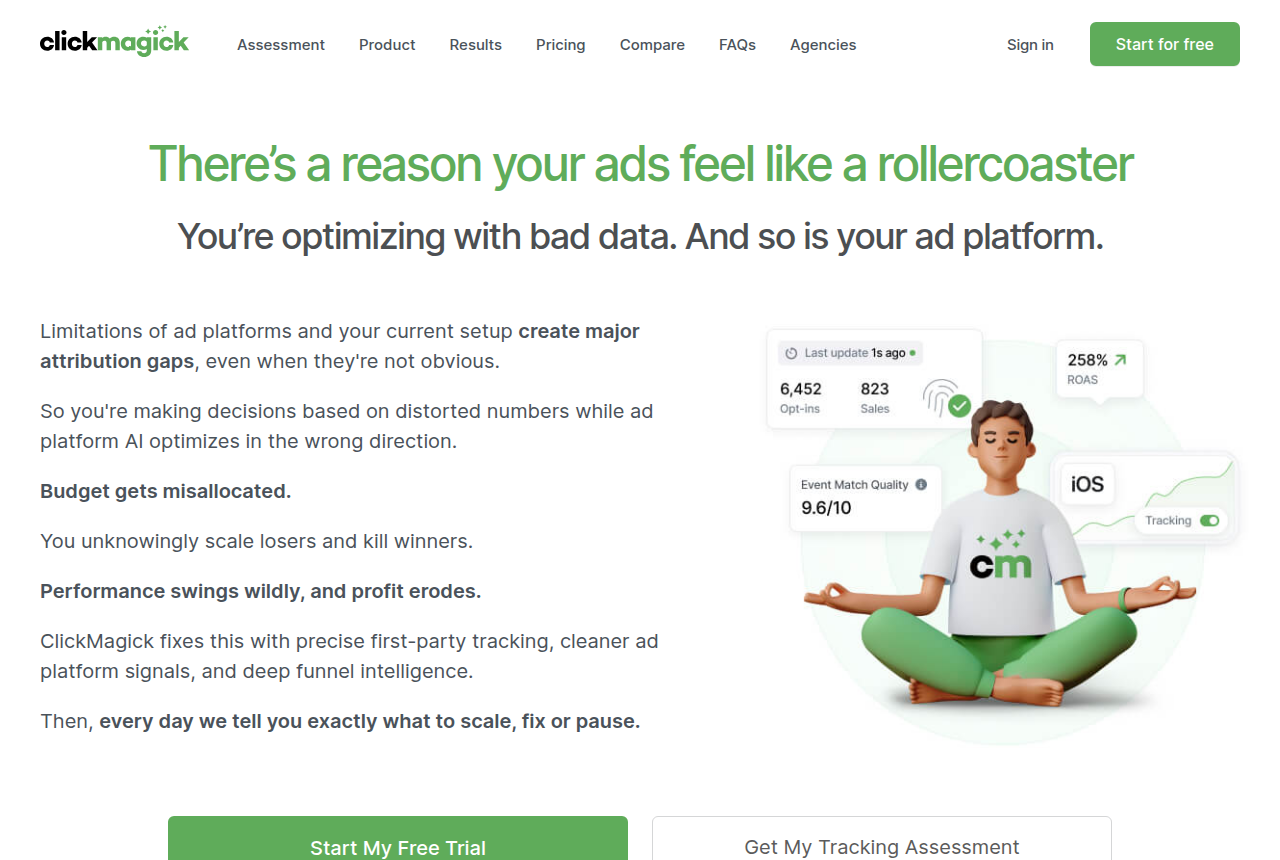
ClickMagick. Best for solo advertisers and small teams buying paid traffic to offers they own. From $79/mo.
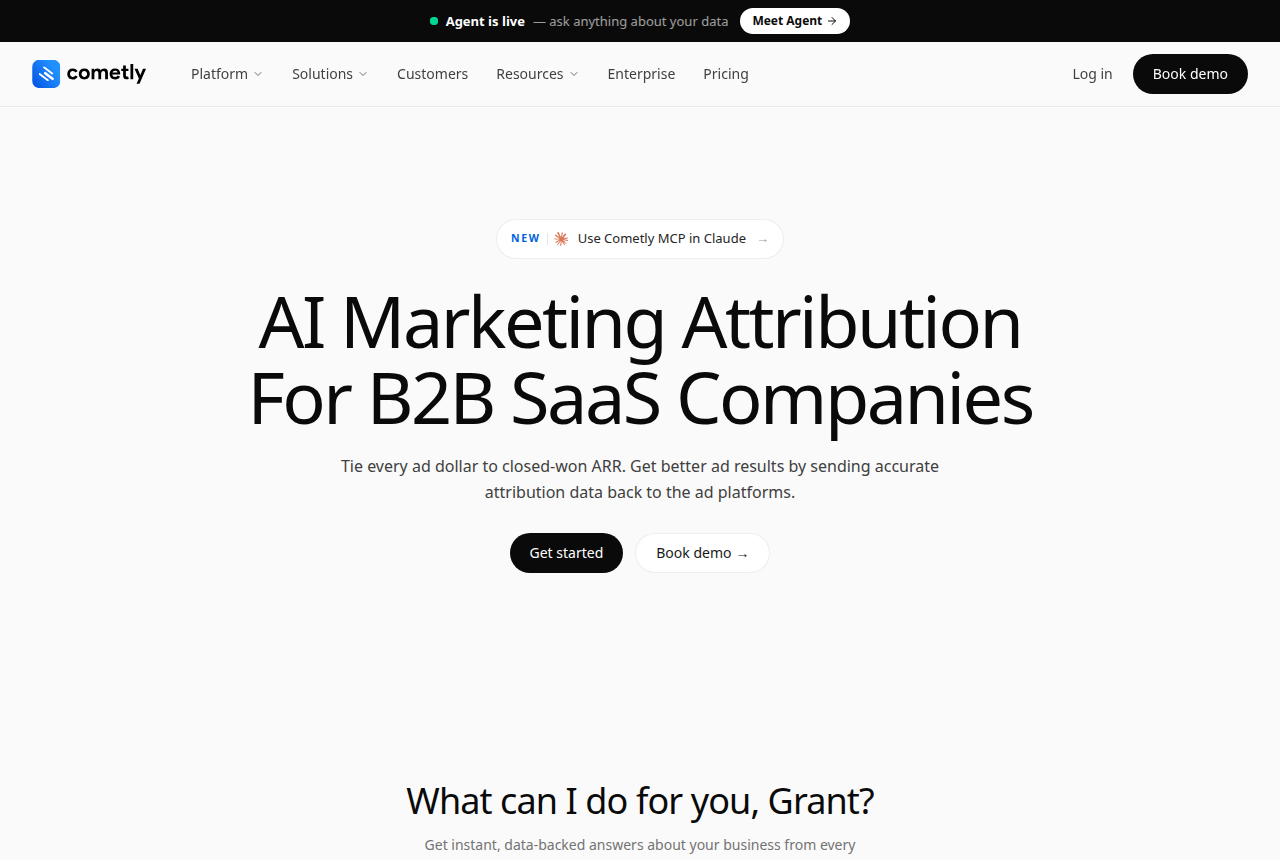
Cometly. Best for B2B SaaS teams tying ad spend to Stripe revenue and CRM pipeline.
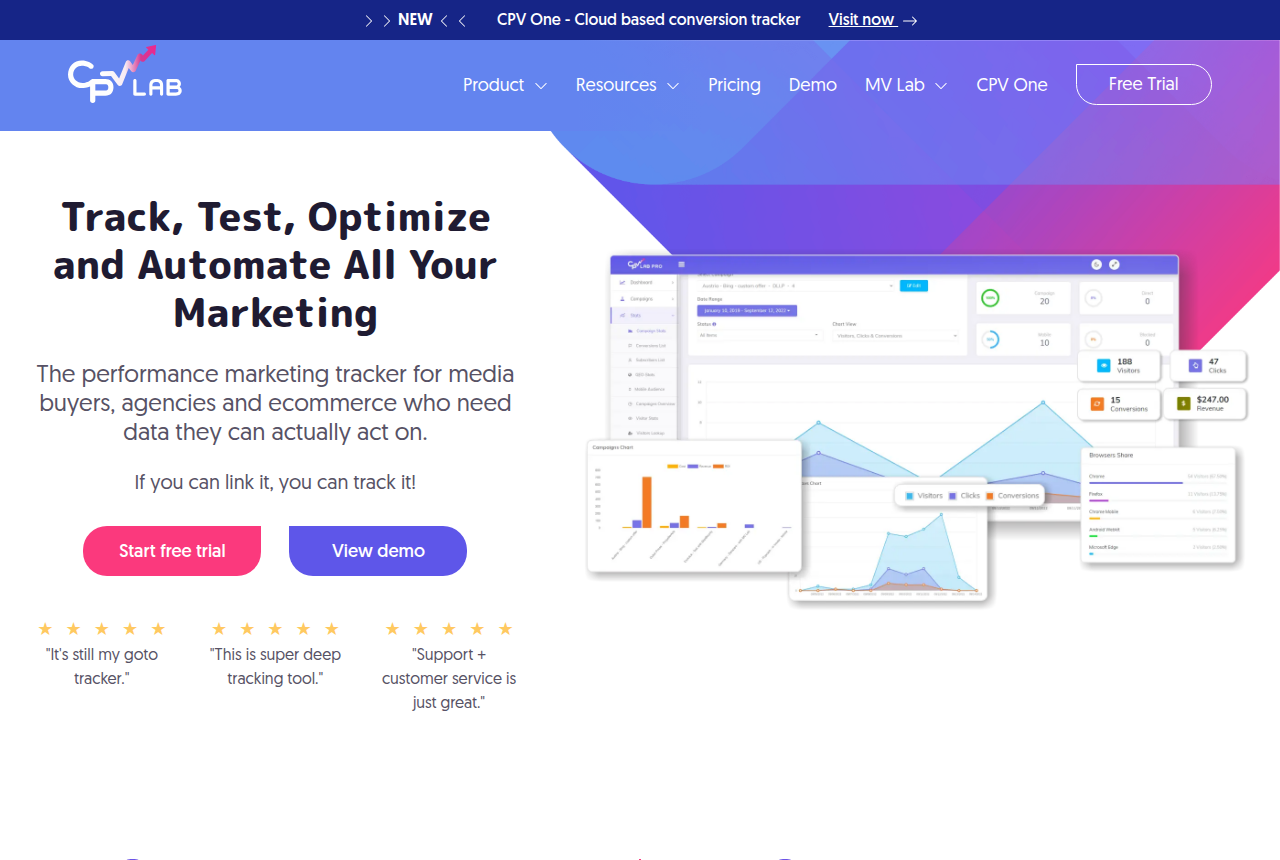
CPV Lab Pro. Best for Paid-traffic affiliates and media buyers who want a tracker they own and host themselves. From $57/mo.
Keitaro. Best for High-volume affiliate and media buyers who want a proven self-hosted tracker with hands-on support. From €40/mo.
Rockerbox. Best for Mid-market and enterprise brands running cross-channel media, including offline, that need unified measurement.
Compare the alternatives
Feature comparison across 14 tools
Tool
Server-side CAPI
Anti-fraud kit
Self‑hosted
From
2. Voluum
limited
✓Yes
×No
$119/mo
3. Hyros
✓Yes
–Unknown
×No
Not listed
4. Binom
Limited
Add-on (Binom Protect)
✓Yes
$149/mo
5. FunnelFlux
–Unknown
–Unknown
–Unknown
$99/mo
6. Northbeam
✓Yes
×No
×No
$1,500/mo
7. Polar Analytics
Yes
No
No (cloud)
Not listed
8. Triple Whale
✓Yes
×No
×No
Free tier
9. AnyTrack
–Unknown
–Unknown
–Unknown
Free tier
10. ClickFlare
–Unknown
–Unknown
–Unknown
$69/mo
7. ClickMagick
Yes, all plans
Built-in (Click Shield)
No (cloud)
$79/mo
11. Cometly
–Unknown
–Unknown
–Unknown
Not listed
6. CPV Lab Pro
Meta, TikTok, Google, MS
Built-in, all plans
✓
$57/mo
5. Keitaro
Meta, TikTok, Google
Bot filtering built in
✓
€40/mo
9. Rockerbox
–Unknown
–Unknown
–Unknown
Not listed
The alternatives, ranked
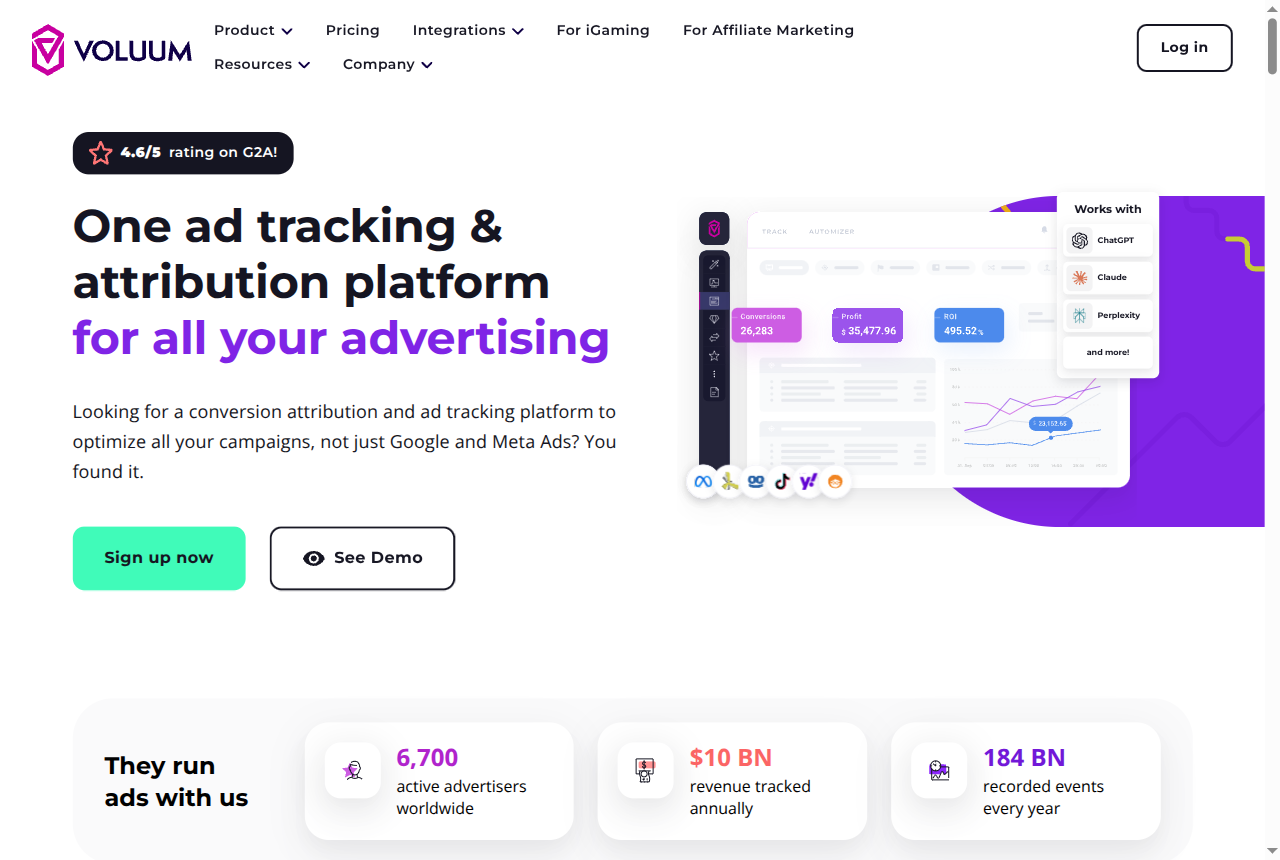
2. Voluum
Cloud ad tracker for affiliate and media-buying campaigns.
Our take: The veteran affiliate and media-buying tracker: click routing, S2S postbacks, cookieless tracking and a strong anti-fraud kit, priced for buyers who live in native, pop and push.
What works
Deep click-routing and traffic-distribution rules built for zone, publisher, GEO, device and sub-ID optimization.
Cookieless tracking and S2S postbacks that hold up on redirect-style affiliate flows where browser pixels fail.
The Anti-Fraud Kit flags suspicious traffic automatically, which matters most on native and pop inventory.
Cloud-hosted with automatic migration from an old tracker, so there is no server to run.
What to watch
The automation layer, Automizer, is billed separately from $375/mo on top of the plan, so real automation costs stack fast.
Full server-side CAPI depth and higher event ceilings sit on the expensive upper tiers ($539 to $1,599/mo).
It is built around click routing and offer/lander optimization more than ecommerce customer-journey attribution.
3. Hyros
Multi-touch ad attribution for high-ticket, long-cycle funnels.
Our take: The revenue-attribution layer for high-ticket, long-cycle funnels: it stitches multi-touch journeys and feeds real sales back to the ad platforms, and it is priced and set up accordingly.
What works
Multi-touch attribution across a long journey (ad to opt-in to email to webinar to booked call), which last-click platforms miss.
Sends offline and long-window sales back to Meta and Google so their algorithms optimize on real revenue.
Call and high-ticket tracking is a first-class use case, not an afterthought, with named case studies from large info brands.
What to watch
Hyros does not publish plan prices; cost is quoted after a demo and is aimed at higher-spend accounts, so it is opaque before a sales call.
Operators repeatedly report it is involved to set up and overkill below roughly $50k/month in spend across multiple platforms.
It will not fix low Event Match Quality or a weak offer; it makes the attribution clearer, not the funnel better.
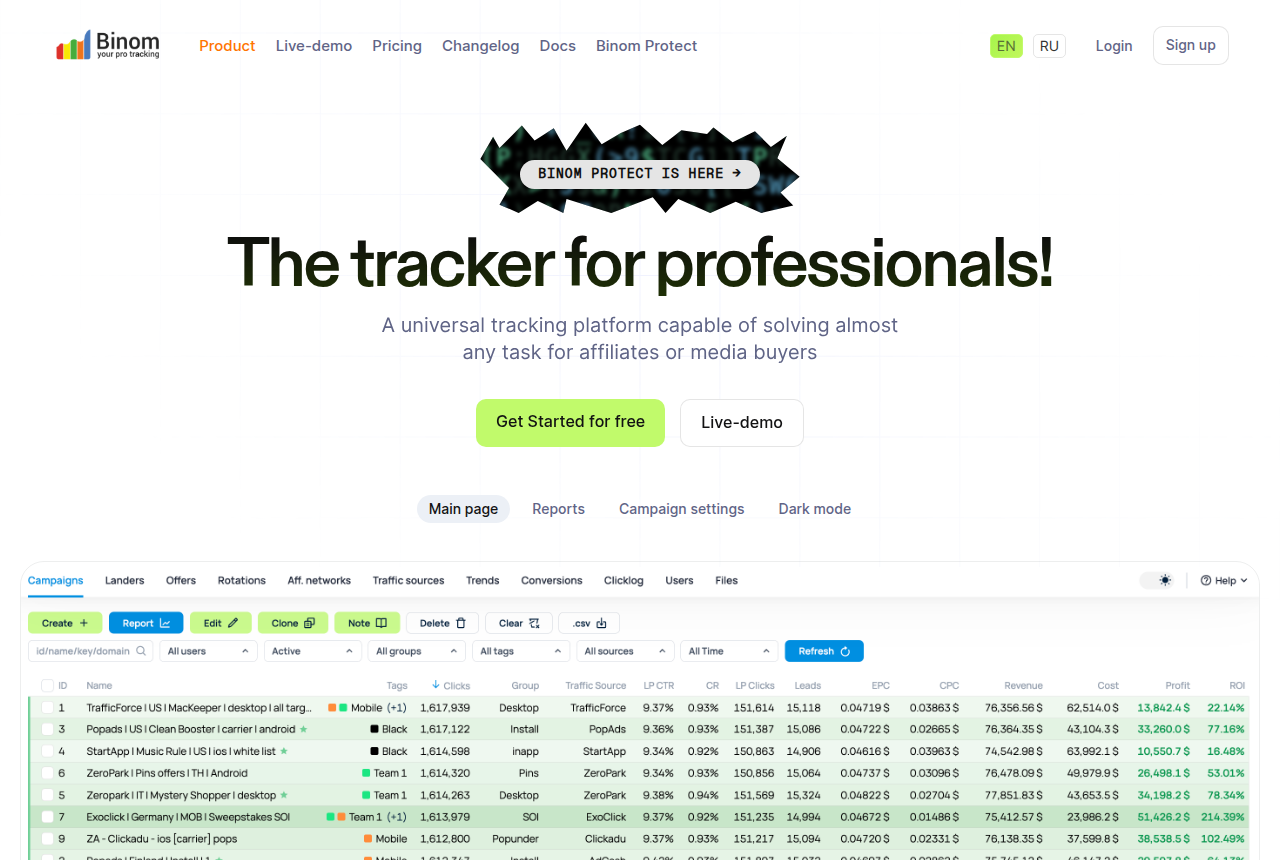
4. Binom
A self-hosted performance-marketing tracker with flat pricing, built for affiliates and media buyers at high click volume.
Our take: The self-hosted tracker to pick if you run high click volume: one fixed license fee that does not climb with traffic, no matter how many clicks you push. The catch is that you, not a SaaS vendor, run the server it lives on.
What works
One flat license that does not climb with clicks: the vendor rates v2 at up to 260 million clicks a day for the same price, which undercuts event-priced SaaS trackers at high volume.
Self-hosted, so your click and conversion data stays on your own server with lifetime retention and no volume or storage caps.
Fast redirects plus a full media-buying toolkit: paths, rules, rotations, five-level reports, sub-ID tracking and built-in cloaking, with support that installs it on a clean server for free.
A full-feature 14-day trial, extendable to 30 days on request, and a stated policy of refunding unused license time.
What to watch
You run the server. Binom's own docs require a clean dedicated or VPS box (Ubuntu, 4 GB RAM, 2 cores, 50 GB, KVM) and warn stability is not guaranteed if you alter it, so the real cost is server, domains, backups, monitoring and uptime on top of the license.
Server-side CAPI is limited: Facebook and Google integrations live in v1 and v2 is still catching up, so Meta and TikTok-heavy DTC buyers get more from RedTrack or a platform-native stack.
Bot, VPN and proxy filtering is a separate paid module, so the fraud protection some cloud rivals bundle is an add-on here.
Below meaningful volume it is overkill: under a cheap or free cloud tracker's event cap, the flat license plus server upkeep rarely beats a managed tool.
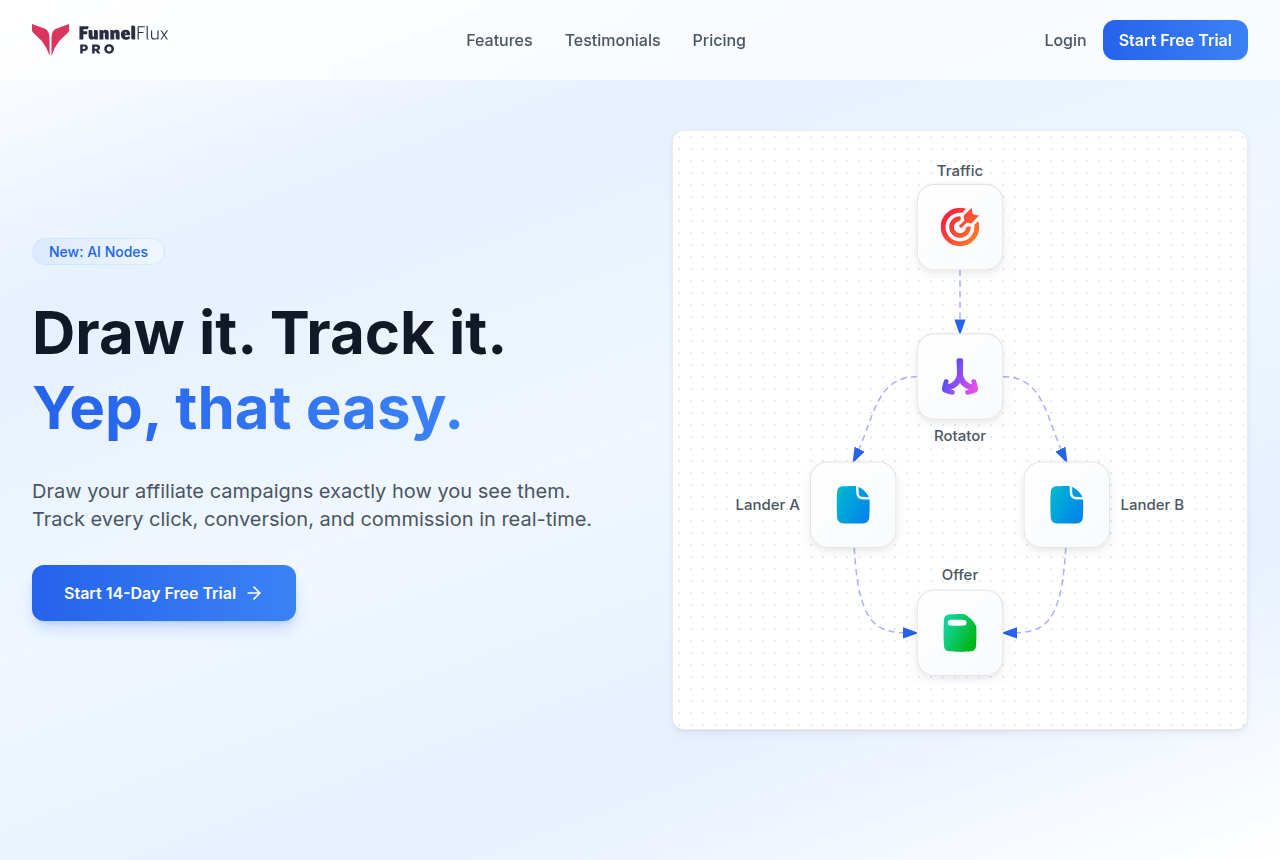
5. FunnelFlux
Visual funnel tracker for performance marketers
Our take: A visual funnel tracker that earns its place when a campaign is more than one ad and one offer. You draw the journey on a canvas and see which node actually makes money, which basic click trackers hide. It is cloud and event-priced, so high-volume pop and push buyers pay more as they scale, and the user community is smaller than Voluum's.
What works
The visual builder maps a whole journey (source, prelander, quiz, conditional split, offer, upsell) as connected nodes, so per-step drop-off and revenue are visible in a way campaign tables hide.
Cookieless JavaScript tracking plus S2S postbacks and server-side conversion passing to TikTok, Facebook, Microsoft and Google Ads, for offers you cannot pixel directly.
Reporting drills down across many grouping levels with geo and device breakdowns, so you can find the country, placement or lander carrying a campaign.
Straightforward pricing: one $99 base plan with two million events and a 14-day trial, monthly billing, no annual contract, cancel anytime.
What to watch
It is the tracking and routing layer, not a page builder: you still host your own landers, and it does not replace ClickFunnels or Systeme.io.
Cost syncing from CPM sources like Facebook and native is not automatic on its own; real-time sync runs through the separate Argosync tool or manual uploads.
Cloud, event-based pricing climbs with volume ($10 per million events over the two-million base), so a high-volume pop or push buyer can pay more than with a flat-fee self-hosted tracker like Binom.
The user community is smaller than Voluum's, and long-time users have wanted its integrations and APIs more mature, so expect a UI learning curve and less peer troubleshooting.
6. Northbeam
The marketing intelligence platform for profitable growth.
Our take: The measurement platform built for scaled ecommerce brands, not for affiliates: multi-touch attribution, media-mix modeling, and a direct pipe of first-party conversion data back to Meta and AppLovin. It is real and well regarded, but it is priced for brands already spending six or seven figures a month, and its numbers are a directional cross-channel read, not a single source of truth.
What works
Independent, cross-channel attribution built for direct-to-consumer brands: it stitches Meta, Google, TikTok, email and more into one first-party view instead of trusting each platform's self-reported ROAS.
Northbeam Apex sends first-party conversion data straight into Meta and AppLovin ad algorithms, a step past a standard conversions API, with no dev work to wire it up.
Goes beyond clicks: long lookback windows, view-through revenue via Clicks and Deterministic Views, and optional budget forecasting and incrementality, so top-of-funnel spend gets credited.
Agencies running it for clients recommend it and single out its flexible, variable billing structure.
What to watch
Priced for scale and quoted after a demo. Published starting rates are $1,500/mo (Starter) and $3,500/mo (Professional), and buyers report real costs near $30,000 to $50,000 a year. Below high six or seven-figure monthly spend the ROI rarely covers it.
No free trial and no free tier. You book a demo and get a custom quote tied to your ad spend, so there is no cheap way to try it before committing.
Its numbers will disagree with Meta and Google by design. That independent read is the value, but it means reconciling models and windows against backend revenue, not one ROAS you can take as truth.
Built for DTC ecommerce, and mostly Shopify below the Professional tier. It is not a click tracker for affiliate, pop, push or native redirect traffic; media buyers promoting network offers want Voluum or a self-hosted tracker instead.
7. Polar Analytics
The unified data platform powering omnichannel growth for modern consumer brands.
Our take: A Shopify-native analytics and BI platform that pulls your store, ads and email into one set of profit dashboards. It is real and well-liked for reporting, but the price is tiered by your GMV (Plus brands report quotes near $20k a year), and it is a reporting layer more than a deep custom-attribution engine.
What works
Pulls Shopify, Meta, Google, TikTok, Klaviyo and more into one dashboard with CAC, MER, LTV, cohort and contribution-margin reports out of the box, so a team stops reconciling platforms by hand.
You can build and edit any report rather than living inside fixed dashboards, and reviewers repeatedly single out fast onboarding and responsive support.
Advertising Signals sends conversion events server-side to Meta and Google Ads to lift Event Match Quality, and a first-party pixel with a Lifetime ID improves attribution where browser tracking breaks.
Every plan bundles a dedicated Snowflake warehouse, unlimited users and unlimited historical data, so it doubles as a data foundation you can query directly, not just a dashboard.
What to watch
Pricing is tiered by gross merchandise value and quoted after a demo. The Shopify listing shows a Core Plan from $750 a month, and a Plus operator reported a quote near $20k a year, so below serious scale the cost is hard to justify.
It is a reporting and BI layer more than a deep attribution engine: operators say it gets restrictive once you need messy custom attribution or business-specific nuance, and point to a data engineer or a heavier tool for that.
No free trial and no free tier on the paid platform. You book a demo for a GMV-based quote, and the Shopify listing gates the Polar Pixel out of any trial; the only free look is an instant demo running on sample data.
Like every cross-platform tool its numbers will not match Shopify or Meta exactly (revenue definitions, refunds, time zones, attribution windows), and clean UTMs plus the pixel are required or ad traffic falls into Direct or Unknown.
8. Triple Whale
Know what's actually working. Act on it instantly.
Our take: The most widely used attribution and analytics app in Shopify DTC, now built around an AI layer called Moby. It is real and well supported, but its pixel-based numbers read lower than Meta's and unsettle people, the paid tiers are quoted after a demo and scale with your revenue, and long-time users say it grew as convoluted as GA4. Worth it once multi-channel spend makes better attribution change real budget calls, and overkill below roughly $50k a month.
What works
Pulls Shopify, Meta, Google, TikTok, email and SMS into one real-time view of blended ROAS, CAC, LTV and profit once you enter your costs, and agencies call that profitability picture the main reason to keep it.
Its Sonar pixel adds first-party and server-side signal, and operators at $100k a month and up say that alone, set up properly, more than covers the platform's cost.
Runs several attribution models side by side, so the channel overlap the ad platforms hide becomes visible: one operator saw 58% of orders overlapping between Google and Meta.
Moby, its AI layer, is included from a free plan that needs no credit card, so you can point it at your own store and judge the numbers before paying anything.
What to watch
Pixel-based attribution routinely reports a far lower ROAS than Meta, sometimes calling a profitable account unprofitable, and users repeatedly say they cannot tell which number to trust. It is a cross-check to reconcile, not a source of truth.
The paid Foundation, Automate and Enterprise tiers are quoted after a walkthrough and scale with your store revenue, so the cost climbs as you grow and there is no public price to plan against.
Below scale it is hard to justify: a four-year user quit calling it a waste of money under about $10 million a year, and others say Facebook's own reporting or a spreadsheet covers it under roughly $50k a month.
Long-time users say it drifted from simple and clear to as convoluted as Google Analytics, so the breadth now carries a real learning curve.
9. AnyTrack
No-code conversion tracking that feeds server-side data back to Meta, Google and TikTok.
Our take: The no-code way to get server-side conversions flowing to every ad platform without a developer, priced by tracked sessions. It is easy to switch on and cheap to try, but its billing terms are strict and its independent track record is thin next to RedTrack or Hyros.
What works
Genuinely no-code. One tag auto-detects conversions across ecommerce, affiliate and funnel stacks and maps them to ad-platform events, so you get server-side tracking live without a developer or a data team.
Sends deduplicated, enriched conversions to the Google, Meta, TikTok, Microsoft, Taboola and Outbrain Conversion APIs in real time, with first-party audience sync, so the ad platforms optimize on real outcomes instead of last-click guesses.
Redirectless affiliate tracking plus 300+ integrations across 90-plus affiliate networks, carts, CRMs and funnel builders, so it fits mixed affiliate, ecommerce and lead-gen funnels a Shopify-only app would miss.
A free forever plan takes no card and lets you prove tracking works first, and paid plans publish flat, session-based tiers from $100 a month with a 14-day trial.
What to watch
Billing is the recurring complaint. AnyTrack's own policy makes all payments final and counts only a dashboard cancellation, and reviewers report surprise renewals with no reminder, so set your own reminder before the trial converts.
Independent proof is thin and polarized: a Trustpilot sample of about a dozen reviews split between five and one stars, and low name recognition on advertiser forums, so it carries less community track record than RedTrack or Hyros.
Priced by tracked sessions, not ad spend or conversions, so a high-traffic, low-converting funnel can burn through a session tier fast, with overage at $0.20 to $0.40 per 1,000 sessions on top.
It feeds the ad platforms, it is not a multi-touch revenue-attribution suite for long call-heavy funnels, and running it beside a native Shopify or Facebook pixel can double-count events unless you deduplicate.
10. ClickFlare
Cloud ad tracker and attribution for performance media buyers, priced flat by events.
Our take: A cloud tracker that does what Voluum and RedTrack do, server-side capture, CAPI to every ad platform, cost sync and offer routing, at a flat price that undercuts them and includes CAPI on every plan instead of gating it behind higher tiers. It has held 99.99% uptime since launch in 2021 and buyers praise the support, but its independent review base is young and thin, so trial it against your own numbers before you move a whole operation across.
What works
Flat pricing with the whole stack on every plan. From the $69 Starter up, server-side CAPI, the AI Copilot, automatic cost sync and the tag manager are all included, with no revenue share and no feature gating. Buyers who switched off Voluum describe it the same way: the same capability at a lower, more predictable bill.
Server-side capture that survives iOS and ad blockers. It records the form submits and purchases a browser pixel drops and posts them back to the Meta, Google and TikTok Conversion APIs, deduplicated, which is the core job media buyers report it doing well.
A reliability and support record buyers single out. 99.99% uptime since January 2021 with sub-50ms redirects, and live chat with people who run traffic themselves. Across Trustpilot and G2 the loudest praise is for fast, human support and an easy dashboard.
Built for the media-buyer shape: sub-IDs, S2S postbacks, offer routing, built-in A/B testing with AI traffic routing, and 165-plus affiliate-network templates, across affiliate, lead-gen, ecommerce, search-arb and iGaming. Migration from another tracker is free and done for you.
What to watch
The independent track record is young and thin. The public review base is a couple of dozen Trustpilot and G2 reviews, almost all five stars, with the Trustpilot profile only claimed in mid-2026, so there is little critical depth to weigh and experienced buyers on affiliate forums still default to Voluum or RedTrack. That is a reason to trial it against your own numbers, not evidence against it.
It is priced by events, and overage adds up. Plans are capped by monthly events, and every visit, click, conversion and postback counts as one, so a high-traffic, low-converting funnel can blow through a tier with overage billed on top. At least one buyer liked the product but said it cost too much and went looking for cheaper.
Migration does not bring your history. The free import moves campaigns, flows, landers, offers and traffic sources, but not your statistics, so historical reporting stays in your old tracker. Export what you need before you cancel it.
The headline price is not quite the whole bill. Cost sync faster than every 30 minutes runs from $150 a month, and extra tracking domains and the broken-link guard are add-ons, so a scaled setup pays more than the plan sticker.
7. ClickMagick
First-party ad tracking and conversion attribution that feeds cleaner data back to your ad platforms.
Our take: A first-party ad tracker built for the solo advertiser and small team who buy paid traffic to offers they own. You get accurate click-level attribution, server-side conversions fed back to Meta, Google and TikTok, and a flat price that is not tied to your revenue. It has tracked traffic since 2014 and its support is the thing buyers praise most. It is real and it works. You will regret it only if you expected a magic fix, needed a route-through campaign tracker for rotating offers, or only wanted a cheap link counter.
What works
Accurate first-party tracking that survives iOS and ad blockers. Conversions are captured on your own domain and posted back to Meta, Google, TikTok and more through Audience Optimization, so the ad platform's optimization gets a cleaner signal. Buyers keep it to see where conversions really come from when GA4 and the pixel disagree.
Flat monthly pricing that is not a share of your revenue, with no mandatory sales call. Buyers who left Hyros describe it as the same job done cheaper, and moving up to Standard or Pro buys capacity rather than unlocking the core feature set.
Support is the single most repeated piece of praise. Trustpilot sits at 4.1 out of 5 across 679 reviews, about 90% five-star, and users report fast replies that often include a screen-recording walking through the exact fix.
Built for the paid-traffic shape a solo operator actually runs: sub-IDs and server-to-server postbacks into 100-plus affiliate networks, a custom first-party tracking domain, bot and click-fraud filtering, cross-device tracking, automatic ad-cost sync, and a daily insights email that flags what to scale, pause or fix.
What to watch
It is not a route-through campaign tracker. You point traffic at your own pages and it attributes the result. It does not rotate offers, split traffic across landers by rule, or distribute clicks the way Voluum, RedTrack or Binom do. That matters most to affiliate media buyers running many offers through a redirect; a solo advertiser sending traffic to one funnel does not need routing.
The marketing promises more than the setup delivers on its own. ClickMagick is a tracking layer, not a magic fix, and accuracy still depends on passing click IDs cleanly and configuring postbacks correctly. Skip that work and the numbers will not agree with your backend.
It is not a cheap link tracker. The $79 entry is steep if all you need is to cloak and count links, and quotas are counted in tracked visitors, so a high-traffic, low-converting funnel can be pushed onto the next plan. Watch your visitor count before you scale traffic.
Independent third-party proof is thinner than the wall of on-site testimonials suggests. There is no meaningful G2 or Capterra presence, and ClickMagick says it no longer actively maintains its Trustpilot profile and disputes some recent negative reviews. Weigh it against your own trial, not the testimonial count.
11. Cometly
AI marketing attribution for B2B SaaS: tie ad spend to pipeline and closed-won revenue.
Our take: Cometly is a real, established attribution platform, and its server-side Conversion API is genuinely good at the job it claims. The catch is fit. In 2026 Cometly is built for B2B SaaS: it ties ad spend to Stripe revenue and CRM pipeline, right through to closed-won ARR. If that is your business, it is worth a demo. If you are a DTC or affiliate media buyer, note that Cometly has moved away from the ecommerce market it once served, it no longer publishes prices or runs a free trial, and you are quoted on a call. You will regret buying it if you expected a route-through campaign tracker, if you run cash-on-delivery or email-less checkouts, or if you need to see a price and test against your own numbers before you talk to sales.
What works
Server-side Conversion API is the genuine strength. Cometly sends deduplicated conversions back to Meta, Google, LinkedIn and TikTok, and reports Meta event match quality up to 9.3 out of 10 where a manual setup sits at 4 to 5. Buyers on r/FacebookAds confirm it pushed more matched data to Meta than other trackers they had run.
Revenue attribution built around Stripe and the CRM, not just clicks. The native Stripe sync ties trials, new customers, recurring revenue and LTV to the originating ad, and HubSpot and Salesforce lifecycle stages map onto the same touchpoints, right through to closed-won ARR. That is the report a SaaS finance team will actually defend.
Modern data plumbing under it. A cookieless Comet Pixel with cross-device identity, 70-plus native integrations, an Agent you query in plain English instead of writing SQL, and on Enterprise a warehouse sync to Snowflake or BigQuery plus an MCP server that lets an AI agent read your attribution data. The vendor puts setup at hours rather than weeks.
Established and reviewed, not a new app. Comet LLC has tracked paid spend for years, with named case studies (ClickFunnels reports a 31% ad-return lift, Trainual a 40% improvement in 90 days) and aggregate ratings of 4.8 out of 5 on G2 across 36 reviews and 3.6 out of 5 on Trustpilot across 92.
What to watch
It is not a route-through campaign tracker. Cometly attributes traffic to your own site and funnel; it does not rotate offers, split traffic across landers by rule, or distribute clicks the way Voluum, RedTrack or Binom do. That matters most to affiliate media buyers running many offers through a redirect. A SaaS team sending paid traffic to one funnel does not need routing.
It has left the DTC and ecommerce market it once served. Cometly's own site now names Triple Whale as the ecommerce tool and positions itself for B2B SaaS. Shopify still integrates, but reviewers report weaker matching on cash-on-delivery and email-less orders, so an ecom brand should demand proof on its own orders before buying.
No public price and no free trial. Every plan is usage-based on monthly pageviews and quoted on a sales call, and Cometly says it does not run a trial because attribution needs setup first. Buyers who want to test against their own numbers before paying, or just want a price before a call, get neither. One G2 reviewer wanted more transparent negotiation and flagged pricing changes over time.
Support and journey timing draw the recurring complaints. The long-running r/FacebookAds thread reports support replies measured in business days and trouble seeing the full pre-purchase journey or getting purchases captured fast enough. The sample is small, but it is consistent enough that you should test response times and event latency during onboarding.
6. CPV Lab Pro
The self-hosted performance marketing tracker for media buyers, agencies and ecommerce.
Our take: It is real, and it is a legitimate route-through tracker, not vaporware. CPV Lab Pro is a self-hosted performance-marketing tracker that has been in affiliates' hands for years: you install it on your own Linux server, point your traffic through it, and it tracks clicks, cost, conversions and ROI, rotates offers, split-tests landers, and forwards conversions to Meta, TikTok, Google and Microsoft via their Conversion APIs. You will regret buying it only if you are not ready to run a server, expected it to track out of the box with no setup, or only needed a simple link cloaker. For a media buyer who already runs a VPS and wants to own their data instead of renting a cloud plan, it is one of the better-value trackers in the lane.
What works
You own it. CPV Lab is self-hosted, so your click data, redirects and tracking domains live on hardware you control, not inside a cloud plan. Every tier is unlimited events and unlimited campaigns, so a winning campaign that suddenly does volume never trips an overage fee or a plan-limit wall.
It is a real route-through tracker, not a light attribution layer. Direct-link and landing-page campaigns, multiple-path and listicle funnels, offer rotation and landing-page split testing are built in, with S2S postbacks into 300-plus preconfigured traffic sources and affiliate networks, and cookieless tracking that keeps firing on iOS and Safari. This is the media-buyer job the cloud trackers charge more for.
Conversion API forwarding starts on the Pro plan: server-side conversions back to Meta, TikTok, Google Ads and Microsoft, with enriched signals (email, phone, custom parameters) on Expert. Cleaner signal to the ad platforms means their algorithms optimize against real conversions instead of a browser pixel that iOS keeps breaking.
Support is the single most repeated piece of praise. G2 sits at 4.9 out of 5 across 11 reviews and Capterra at 4.9 across 17, with a 4.9 for customer service, and reviewers name specific agents who help with install and campaign setup. It undercuts the cloud incumbents on price, and a one-time lifetime licence removes the monthly fee entirely if you would rather buy than rent.
What to watch
It is self-hosted, so you own the server as well as the tracker. A Linux VPS, PHP, MySQL, the ionCube Loader, SSL, tracking domains and cron jobs are yours to stand up and keep patched. That weighs most on a non-technical buyer or a solo operator with no server experience; a media buyer who already runs a VPS will find the install, which the vendor's onboarding call walks through, a small tax for owning the data.
The work does not end at install. Before your first campaign tracks you still configure traffic sources, postbacks or CAPI, and custom domains, and one user reported the Google Ads API conversion import not working for them. Plan an afternoon and lean on support rather than expecting it to track the moment it is live.
Independent proof is thin in absolute numbers. The 4.9 scores on G2 and Capterra are real but rest on 11 and 17 reviews, and a lot of the praise on the vendor's own site is testimonials it collected. Weigh it against your own 14-day trial and the 30-day money-back window, not the star count.
The lifetime licence is capped to version 13. Pay once and you keep the version you bought and its updates within v13, but a future major version is a separate purchase and support on that one-time deal ends four major versions on. If you want the newest features indefinitely, the monthly or yearly plan, not the pay-once price, is the honest option.
5. Keitaro
Self-hosted attribution and ad performance tracker for media buyers
Our take: It is real, and it is one of the longest-standing self-hosted trackers in affiliate marketing, not a fly-by-night tool. Keitaro, from Apliteni, installs on your own Linux server, routes your ad clicks through it, and tracks clicks, cost, conversions and ROI while distributing traffic across landing pages and offers by GEO, device, browser and schedule and syncing conversions back to Meta, TikTok and Google. You will regret buying it only if you are not ready to run a VPS, expected it to track out of the box, or spend too little for the licence plus server upkeep to beat a cheap cloud tracker. For a serious media buyer at real volume who wants to own their data and stop paying per event, it is a genuine long-term home.
What works
The licence does not climb with your clicks. Individual plans run EUR 40 to 104 a month billed yearly, with no per-event or per-click cap, so a campaign that suddenly does volume never trips an overage fee the way a cloud tracker can.
You own the data. Keitaro runs on your own VPS, so your click and conversion data lives on hardware you control, with retention you set rather than a cloud plan's limits.
It is a deep media-buying tracker, not a light attribution layer: streams and filters on GEO, device, browser, operator and schedule, offer and lander rotation, A/B testing, server-to-server postbacks, conversion sync to Meta, TikTok and Google, more than 35 parameters and fast multi-level reports.
It is established and well supported. Keitaro's own site cites more than 4,000 businesses, long-term reviews describe years of continuous use, and support is the single most repeated piece of praise, at 4.5 out of 5 on Trustpilot.
What to watch
You run the server. The docs require a clean VPS on CentOS 9 or 10 Stream with KVM, 20 GB of SSD and 4 GB of RAM or more, and the domains, SSL, backups, updates and security are yours to keep up. That weighs most on a non-technical or low-volume buyer; a media buyer who already runs a VPS will find it a fair trade for owning the data.
There is no free trial. You buy a licence to use it, so you cannot run a real campaign through it for free first, though a public live demo lets you click around the interface. That puts the burden on you to be sure before you pay.
When the server or the support chain fails, it costs money. The sharpest reviews describe 502 errors on server-to-server conversion tracking and slow resolution. Those usually trace to an under-provisioned VPS rather than the tracker itself, but on a self-hosted tool part of your uptime is your own responsibility.
It carries reputation baggage. Security researchers have documented Keitaro's traffic-distribution system being abused in malware and cloaking campaigns, so some strict ad networks view the toolset warily. That is about criminal misuse of a general routing tool rather than honest tracking, but it is a reason to keep your redirects clean and your use compliant.
9. Rockerbox
Unified marketing measurement that combines attribution, media-mix modeling and incrementality testing.
Our take: Rockerbox is real and credible, and it is now owned by DoubleVerify. It is a unified measurement platform that puts multi-touch attribution, marketing mix modeling and incrementality testing on one SOC2-certified data foundation, built for brands running many channels at once, including offline media a click tracker never sees. You will regret buying it only if you are a smaller store that just needs a ROAS dashboard, if you cannot give it the setup time and data work it demands, or if you expected a self-serve monthly price instead of a quote-based annual enterprise contract. For a mid-market or enterprise brand spending across paid, organic and hard-to-track channels, it is one of the two or three serious names in its class.
What works
Three measurement methods on one shared data foundation: MTA for daily optimization, MMM for budget planning and forecasting, and managed incrementality testing to prove causal lift. You cross-check a decision instead of trusting a single number.
Reaches channels click trackers cannot. More than 100 integrations plus offline and hard-to-track media such as connected TV, linear TV, direct mail and podcasts, filled in with promo codes and post-purchase surveys.
Independent, deduplicated, user-level attribution that reconciles the double-counting across Meta, Google and TikTok, exports the cleaned dataset to your own warehouse in BigQuery, Redshift or Snowflake, and is SOC2-certified.
Credible and backed. Reviewers praise the cross-channel visibility and responsive support at 4.6 out of 5 on G2, the platform reports tracking billions in spend, and it is now owned by DoubleVerify.
What to watch
Implementation is heavy and time-to-value is slow. Reviewers call the initial setup tedious and complicated, often needing developer or data support, and MTA or MMM take roughly six to eight weeks to become actionable. That weighs most on a lean team without dedicated data ops; a brand with an analyst who owns it will find the payoff worth the ramp.
Quote-based enterprise pricing with no public price and no free trial. Contracts are annual and scale with your spend, and third-party benchmarks put a typical deal in the tens of thousands of dollars a year. Below meaningful multi-channel spend the ROI rarely covers it, though at scale the wasted spend it uncovers can.
Its numbers will not match the ad platforms and can shift after the fact. Rockerbox's own docs treat variance under 10% as expected because of API revisions, delayed conversions and backfills. That independent read is the value, but it means reconciling models against backend revenue rather than taking one ROAS as truth.
View-based, walled-garden channels like TikTok and YouTube are the hardest for it to measure cleanly, and some reviewers mention dashboard bugs and reporting glitches. That matters most if those view channels are your largest line items; for click-led channels the attribution is its strength.
How we ranked these
Same rubric as the main roundup: attribution accuracy and server-side conversion tracking first, then real cost at spend, fit to your traffic type, data ownership, and support. We read each vendor's own documentation and pricing, and the long-term reports of operators who ran them. Full detail is on the methodology page.
Frequently asked questions
What is the best RedTrack alternative?
For most operators, Voluum. The veteran affiliate and media-buying tracker: click routing, S2S postbacks, cookieless tracking and a strong anti-fraud kit, priced for buyers who live in native, pop and push.
Why do people leave RedTrack?
Usually cost at scale, a feature it does not cover well, or a better fit elsewhere for their traffic type. The ranking below is ordered by who each alternative suits.