A visual funnel tracker that earns its place when a campaign is more than one ad and one offer. You draw the journey on a canvas and see which node actually makes money, which basic click trackers hide. It is cloud and event-priced, so high-volume pop and push buyers pay more as they scale, and the user community is smaller than Voluum's.
It is at its best for media buyers tracking complex, multi-step funnels. That is the lens the rest of this review uses: not whether it is the biggest tool on the market, but whether it is the right one for that operator.
What FunnelFlux Pro is
It is a cloud-hosted tracker for performance marketers who buy paid traffic. You define your traffic sources, landing pages and offers, draw the path a visitor takes through them, and read back every click, conversion and dollar in real time. It handles the sources a media buyer actually works: Facebook, Google Ads, native, push, pop and redirect traffic. The category is the same as Voluum and Binom. What sets it apart is how you build: on a canvas, not in a table.
The visual builder is the reason to choose it
The one thing FunnelFlux does that a standard click tracker does not is let you map a journey as connected nodes. Traffic source to prelander to quiz to a conditional split to two different offers, with upsells, downsells and email steps hanging off it. For a plain ad-to-offer campaign that is more machinery than you need. For a funnel with several pages and branching rules, it turns a spreadsheet of campaign IDs into a diagram you can read: where people enter, where they drop, and which node earns. Reporting then drills down across many grouping levels with geo and device breakdowns, so you can find the one country, placement or lander carrying a campaign.
The sentiment from buyers who have run it lines up with that. On an r/Affiliatemarketing thread asking what links ad data to affiliate-network revenue, a reply simply named "Volum.com or funnelflux", putting it in the same recommendation set as the market leader. A long-time media buyer on r/PPC who had already run Prosper202, CPV Lab, Hyros and Voluum called it "a fun tool to use visually" while wishing it were more "dialed" with APIs. Praise for the workflow, a caveat about maturity: that pairing shows up repeatedly.
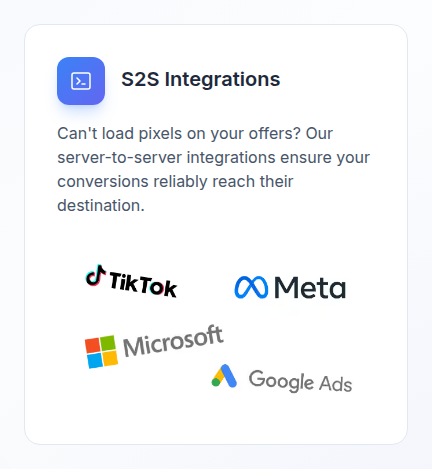
Under the diagram the tracking is current. Cookieless JavaScript tracking keeps working where browser privacy rules break redirect pixels, server-to-server postbacks cover offers you cannot pixel at all, and conversions pass server-side to TikTok, Facebook, Microsoft and Google Ads. You get up to ten custom events and a geographically distributed redirect edge for speed.
Where it does not fit
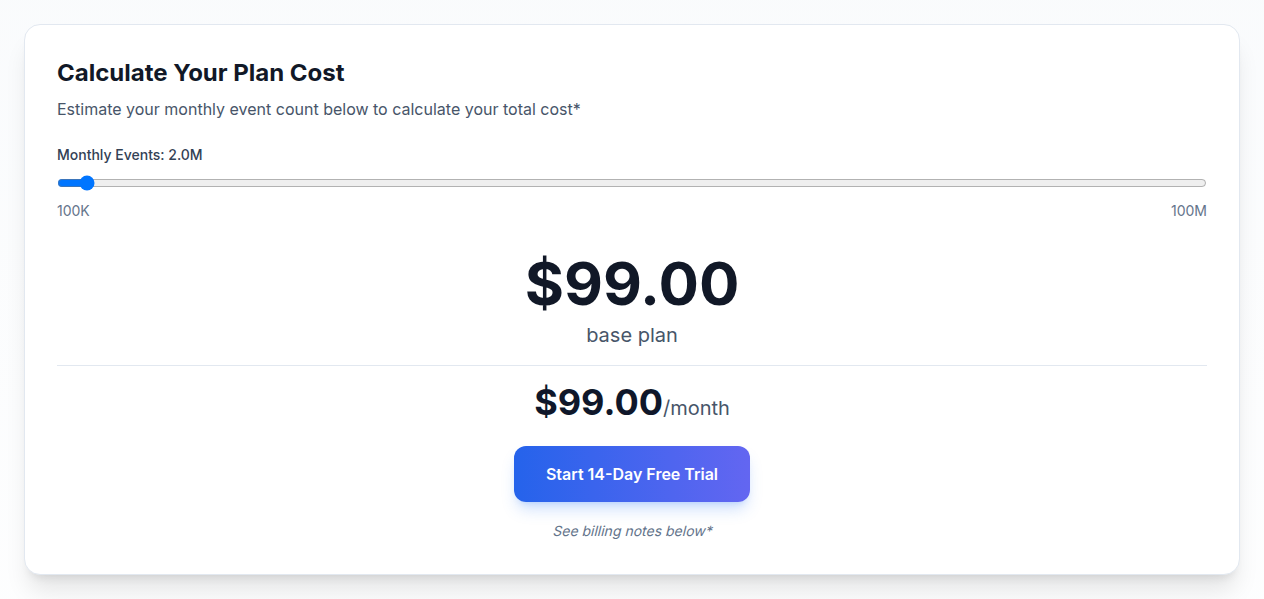
Three limits decide whether you will regret buying it. First, it is the tracking and routing layer, not a page builder. You still host your own landers; it does not replace ClickFunnels or Systeme.io. Second, cost syncing from CPM sources like Facebook and native is not automatic on its own. You feed cost in through URL tokens, static overrides and manual uploads, or you run the separate Argosync tool for real-time sync. Third, it is cloud and event-priced: $99 covers two million events and every extra million is $10 on top, so a high-volume pop or push buyer watches the bill climb where a flat-fee self-hosted tracker like Binom would hold steady.
FunnelFlux Original versus Pro
One thing to clear up before you research it: the older FunnelFlux was self-hosted with a one-time-license economics. FunnelFlux Pro is the cloud product and the one under active development. If you find old forum threads praising a self-hosted license, they describe the original, not what you buy today. Pro trades that hosting for a managed service you pay monthly, and it is the version worth evaluating now.