By Marcus Flynn, tracking and attribution editor. Updated 12 October 2026.
Quick answer
ElasticFunnels is our top pick for most people.
ElasticFunnels is a funnel platform for teams that buy traffic. It builds the pages, split-tests them under one URL, hosts the checkout with order bumps and multi-MID routing, and keeps the CRM, automations and attribution on the same data layer. It tops this list for a reason a tracker bolted onto a separate stack cannot match: a click, an order, a rebill and a refund are one record, so revenue reports per ad, page and variant without stitching four exports together. It is the pick when you are building the funnel anyway and want the numbers to come from the same place the sale happened.
ElasticFunnels. Best for Attribution built into the funnel. From $97/mo.
TrackPlay. Best for Attribution for VSL funnels. Has a free tier.
RedTrack. Best for Multi-channel paid-social buyers. Has a free tier.
Voluum. Best for Affiliate and native/pop/push buyers. From $119/mo.
Hyros. Best for High-ticket info, webinar and call funnels.
Binom. Best for High-volume affiliate and media buyers comfortable running a server. From $149/mo.
FunnelFlux. Best for Media buyers tracking complex, multi-step funnels. From $99/mo.
Northbeam. Best for Scaled DTC ecommerce brands. From $1,500/mo.
Polar Analytics. Best for Shopify brands centralizing profit and marketing reporting.
Triple Whale. Best for Shopify DTC brands wanting attribution and AI insights in one app. Has a free tier.
AnyTrack. Best for marketers who want server-side tracking without a developer. Has a free tier.
ClickFlare. Best for buyers who want flat, predictable pricing at scale. From $69/mo.
ClickMagick. Best for solo advertisers and small teams buying paid traffic to offers they own. From $79/mo.
Cometly. Best for B2B SaaS teams tying ad spend to Stripe revenue and CRM pipeline.
CPV Lab Pro. Best for Paid-traffic affiliates and media buyers who want a tracker they own and host themselves. From $57/mo.
Keitaro. Best for High-volume affiliate and media buyers who want a proven self-hosted tracker with hands-on support. From €40/mo.
Rockerbox. Best for Mid-market and enterprise brands running cross-channel media, including offline, that need unified measurement.
AdsBridge. Best for Budget affiliates who want tracking and landing pages in one tool. From $29/mo.
Fospha. Best for Retail and ecommerce brands spending six figures a month that want modeled measurement instead of pixels. From $1,500/mo.
Measured. Best for Mid-market and enterprise brands spending six figures a month across many channels that need causal measurement, not platform ROAS.
PeerClick. Best for Affiliate and iGaming media buyers who want automation-heavy click tracking. From $99/mo.
SegMetrics. Best for Info-product sellers, course creators, coaches and agencies who need person-level attribution and lead value across email-heavy, long-cycle funnels. From $57/mo.
Where ClickFunnels fits
ClickFunnels is real and widely used: the vendor reports more than 100,000 users and over a million funnels built. The product you buy in 2026 is ClickFunnels 2.0, which puts hosted funnel pages, a checkout with order bumps and upsells, email, a CRM, courses and a community area in one account from $97 a month, with no cut of your sales. You will be glad you bought it if you sell courses, coaching or info products and want the whole funnel under one login. You may regret it if you expect the ease people remember from the Classic version, because long-term users report a steeper learning curve and bugs in 2.0, or if your list outgrows the contact cap on the plan you picked.
It is at its best for course creators, coaches and info-product sellers who want funnels, checkout, email and a member area in one hosted account. That is the lens the rest of this review uses: not whether it is the biggest tool on the market, but whether it is the right one for that operator.
What ClickFunnels is in 2026
ClickFunnels is a hosted funnel builder. You lay out landing pages, order forms and checkout steps in its drag-and-drop editor, add an order bump to the form and post-purchase offers after it, and ClickFunnels hosts the pages, takes payment through a connected processor and keeps the customer record. Around that core it now bundles an online store, email marketing, automations, a CRM with pipelines and appointments, courses, community groups, short links and an affiliate center. The vendor reports more than 100,000 users and over a million funnels created.
The product sold today is ClickFunnels 2.0, a rebuild of the original app. The first version still runs as ClickFunnels Classic, with its own login and its own status page, for accounts that never moved. Much of what was written about ClickFunnels before the rebuild describes Classic, so read older reviews with that date in mind.
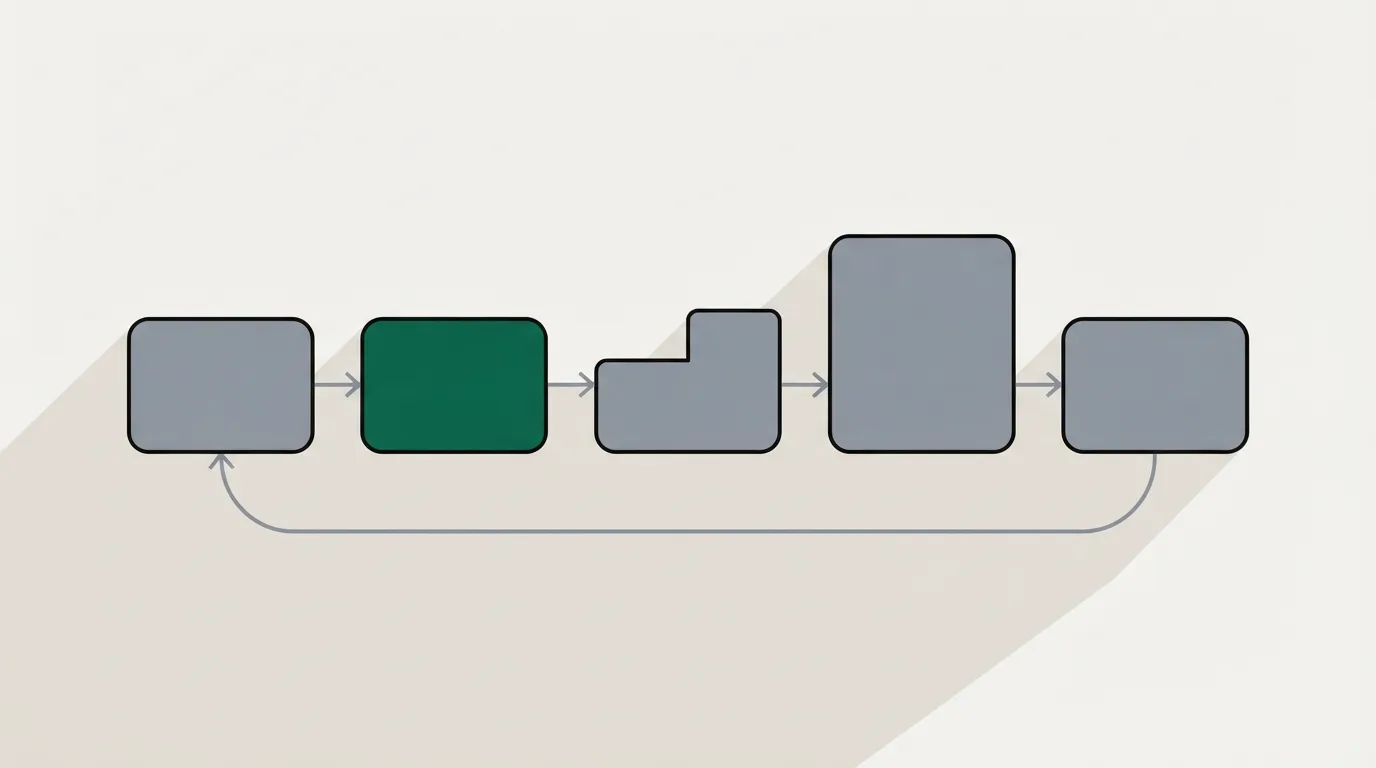
The funnel ClickFunnels is built around: a page that attracts, a checkout that sells, upsells that raise the order, and follow-up that brings the buyer back.
Who it is for, and who should skip it
ClickFunnels fits a course creator, coach, consultant or info-product seller who wants one account for the funnel, the checkout, the email follow-up and the member area. Its homepage promises to get an online business running in a day, and its training library, AI coaching and group onboarding calls are built for people learning funnels as they go.
Direct-response teams buying traffic at volume on physical products or continuity offers tend to weigh it against dedicated checkout platforms such as Checkout Champ, which is built around subscription billing and gateway routing, and they pair whatever they choose with an ad tracker from our tracking roundup. If your store already runs on WordPress, CartFlows keeps the funnel inside WooCommerce instead of on a separate host.
What it does well
The checkout mechanics are the reason most buyers stay. Order form bumps, one-click upsells, one-time offers and Smart Checkout pages are part of every plan, and A/B testing runs on funnels and on email campaigns. On Capterra, reviewers who build funnels for clients describe setup as quick and repeatable, and one says the upsell functions are the main thing they use it for.
Pricing has a shape that suits a growing offer. ClickFunnels takes no percentage of sales on any plan and includes unlimited visitors, so a campaign that suddenly converts does not raise the bill. What you pay for is audience size and team size: contacts, monthly emails, workspaces and seats.
The bundle is wide. Email, automations, a CRM, courses, community groups and appointment booking replace tools a coach would otherwise pay for one by one, and the AI tools (from one million words a month on Launch) draft copy inside the editor. An affiliate center for running your own affiliate program arrives on Scale.
Where it falls short
The rebuild is the recurring complaint. Reviewers on G2 who knew Classic say 2.0 takes longer to figure out, and the reviewer at websiterating.com called it an idea let down by its implementation, citing slow pages, persistent bugs and slow support. Subscribers on Trustpilot describe missing functions they still work around. None of that stops the product working for the many users who rate it well, but it means the trial should be spent building your actual funnel, end to end, before you commit a launch to it.
Support draws both praise and complaint. Trustpilot shows roughly 2,500 reviews averaging 4.5 out of 5, with the weekly onboarding calls singled out by happy customers and slow email replies by unhappy ones. G2 shows 4.6 out of 5 across 417 reviews, with a steep learning curve and bugs as the common cons.
Plan limits catch growing lists. Launch caps you at 10,000 contacts and 50,000 emails a month, and API access, webhooks and the custom code editor start on Scale. Cancelling also takes your funnels offline, according to ClickFunnels' own billing documentation, which tells you to back up your data first. Plan the exit before you build everything on it.
What ClickFunnels costs
There are four plans. Three can be paid monthly or annually, and Dominate is sold by the year only.
Plan
Monthly
Paid yearly
Main limits
Launch
$97
$81/mo
1 workspace, 2 team members, 10K contacts, 50K emails a month, 5 custom domains, standard support
Scale
$197
$164/mo
5 workspaces, 5 team members, 75K contacts, 300K emails, unlimited domains, API and webhooks, live chat support
Optimize
$297
$248/mo
10 workspaces, 10 team members, 150K contacts, 750K emails, a private one-hour onboarding call
Dominate
n/a
$5,997/yr
20 workspaces, 20 team members, 400K contacts, 1.2M emails, VIP support, three hours of private onboarding
Each tier raises the audience and team limits, while the fee on your sales stays at zero on all four.
The number to watch is contacts. Most sellers move from Launch to Scale because the list outgrew 10,000 people, or because they needed webhooks to send orders to a fulfilment or tracking tool, well before they run short of funnels. Paying yearly takes about a sixth off each of the three monthly plans.
Is ClickFunnels worth it?
For a creator selling courses, coaching or digital products, yes, with one condition. At $97 a month it replaces a page builder, a cart, an email tool and a course host, it keeps none of your revenue, and the order bumps and upsells are the features its users credit with raising order value. The condition is patience with 2.0: plan a learning curve and test the exact funnel you intend to run during the trial.
For a direct-response operator spending heavily on ads, it is one option among several, and the deciding questions are billing and measurement. If you need subscription billing spread across merchant accounts or a checkout built for continuity offers, look at the ClickFunnels alternatives first.
What users say, in their own words
A reviewer on Capterra who sets up funnels for clients wrote: "I love how easy ClickFunnels is to use and set up. We used ClickFunnels on a daily basis to set up sales funnels for our clients and it was always so easy." Another, a digital marketing strategist, named the features directly: "I love the funnel building capabilities, and the ability to add upsells, order bumps, etc."
The critical voices mostly used both versions. Reviewers on G2 warn that "the 2.0 version is a lot harder to figure out", and websiterating.com called the rebuild "a wonderful idea with a terrible implementation". A long-time subscriber on Trustpilot wrote of leaning on workarounds "for functionality that should have existed from day one".
Changelog
11 October 2026 First published. Plans, limits, the trial and the refund terms were read from ClickFunnels' own homepage and pricing page. We do not run campaigns through ClickFunnels. We check every figure against the vendor and weigh what long-term users report on G2, Capterra and Trustpilot.
Pros and cons
What works
The checkout does what funnel sellers buy it for. Order form bumps before the sale, one-click upsells and one-time offers after it, and Smart Checkout pages are built in, and they are the features Capterra reviewers name when they explain why they stay.
One bill covers most of an info-product business. Funnels, a store, email marketing, automations, a CRM with pipelines, courses, community groups and appointment booking come in the same account, so a coach or course seller can drop three or four separate subscriptions.
Your bill does not grow with your sales or your traffic. ClickFunnels takes no percentage of revenue, and every plan includes unlimited visitors and unlimited funnels, the second labelled a limited-time offer. The price moves with contacts, emails, workspaces and team seats instead.
You can try it before paying. Launch, Scale and Optimize each start with a free trial, and the pricing page promises your money back within 30 days, which lowers the cost of finding out it is the wrong fit.
What to watch
ClickFunnels 2.0 is harder to learn than Classic and still has rough edges. G2 reviewers say the new version is harder to figure out, and long-term subscribers on Trustpilot describe bugs and workarounds for functions they expected at launch. Budget setup time and build your real funnel during the trial. A new user with no Classic habits to unlearn feels this least.
Contact caps push you up the plans. Launch allows 10,000 contacts, 50,000 emails a month, one workspace and two team members, so a growing list forces the move to Scale at $197 a month even when your funnels have not changed. A solo seller with a small list can stay on Launch for a long time.
API access, webhooks and the custom code editor start on Scale. A team that wants to push orders into its own systems or add scripts by hand pays at least $197 a month for them. The built-in third-party integrations are available on Launch too.
Its pitch, training and onboarding speak to creators launching a first funnel more than to teams buying traffic at volume. Tying each sale to the ad that paid for it is a tracker's job, and paid-traffic teams usually run one beside ClickFunnels, as they do beside most funnel builders. A creator selling mainly to an email list may never need one.
What users actually say about ClickFunnels
Research: unverified
Upsells and order bumps are why people buy it↑ frequently praised
Reviewers who stay name the checkout mechanics: one-click upsells and order bumps they can add without code are the features they use it for.
“I love the funnel building capabilities, and the ability to add upsells, order bumps, etc.”
Fast to build a funnel once you know it↑ frequently praised
Agencies and marketers who build funnels daily describe setup as easy and repeatable for client work.
“I love how easy ClickFunnels is to use and set up. We used ClickFunnels on a daily basis to set up sales funnels for our clients and it was always so easy.”
ClickFunnels 2.0 is harder and buggier than Classic↓ common complaint
Long-term users say the 2.0 rebuild is harder to learn than the original, shipped with bugs, and still lacks functions they expected at launch, so some rely on workarounds.
Launch is $97, Scale $197 and Optimize $297 a month on monthly billing, or about $81, $164 and $248 a month paid yearly. Dominate is $5,997 a year and sold annually only. The first three plans open with a free trial, refunds are honoured for 30 days, and ClickFunnels takes no percentage of sales.
Prices read from the vendor's own pricing page and current as of 12 October 2026. Check the vendor before you buy; plans change.
From $97 per month. Launch is $97, Scale $197 and Optimize $297 a month on monthly billing, or about $81, $164 and $248 a month paid yearly. Dominate is $5,997 a year and sold annually only. The first three plans open with a free trial, refunds are honoured for 30 days, and ClickFunnels takes no percentage of sales.
Does ClickFunnels offer a free trial?
Yes. Launch, Scale and Optimize each open with a free trial, and the pricing page does not give its length. Dominate is sold annually, with a demo instead of a trial. Every plan can be refunded within 30 days.
How we reviewed this
We do not run paid campaigns through ClickFunnels. We read its own documentation and pricing, verify every number against the vendor, and weigh the long-term reports of operators who run it at real spend. The full rubric is on the methodology page.
Marcus Flynn runs OfferROAS's tracking and attribution desk. He has spent years close to direct-response paid media, and he reads the operator threads, vendor changelogs and pricing pages so you do not have to, then writes down what holds up once real budget runs through it. He owns the methodology and signs the site's money pages.