Head-to-head
Voluum vs SegMetrics
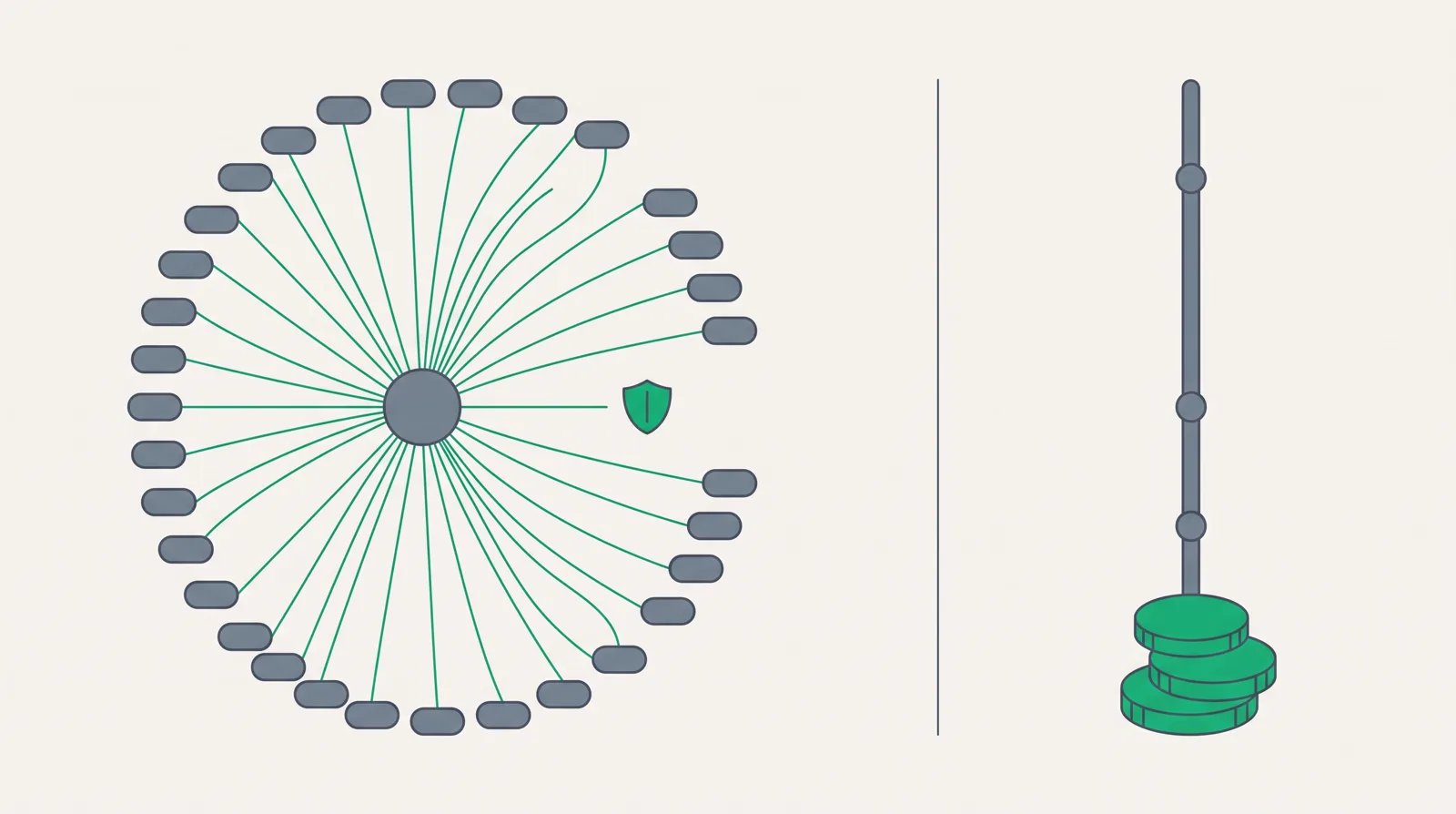
Both get sold as attribution, and that is where the resemblance ends. Voluum is a cloud ad tracker that routes your paid clicks to offers and landers and rebuilds the conversion server-side. SegMetrics reads your funnel by the person, stitching ads, email, CRM and payments into one lifetime-value timeline per contact. They measure different units and are built for different businesses, so the choice is usually clearer than the shared label suggests.
By Marcus Flynn, tracking and attribution editor. Updated 4 October 2026.
Pick Voluum if you route paid traffic to offers and landers you manage yourself and want the deepest click routing by zone, publisher, GEO, device and sub-ID, with server-side postbacks and anti-fraud, starting around $119 a month; pick SegMetrics if you sell courses, coaching or memberships through long, email-driven funnels and want person-level lifetime-value attribution and self-serve pricing from $57 a month with a trial.
Quick answer
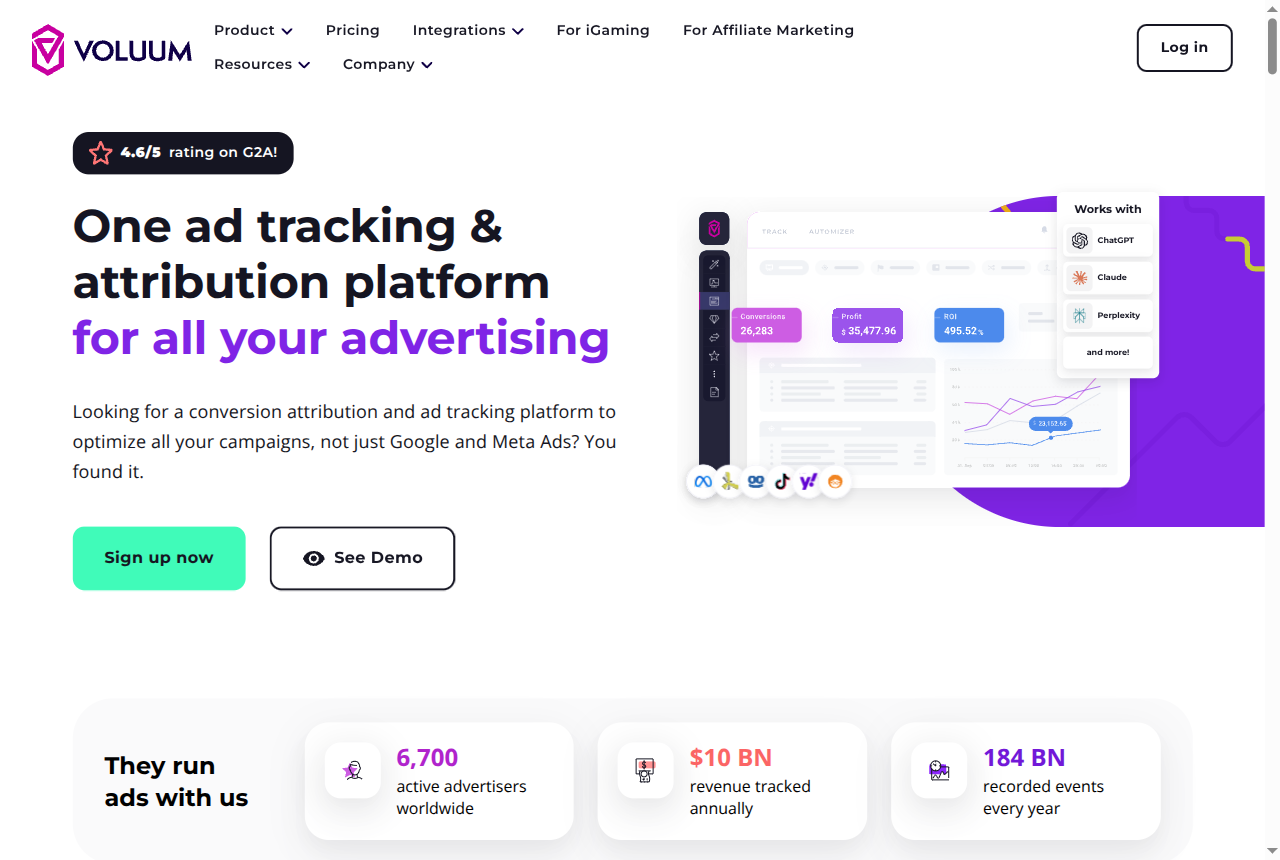
Voluum is our top pick for most people. Our pick for the operator choosing between these two. Voluum is the veteran cloud tracker built for the media buyer: it routes every click by zone, publisher, GEO, device and sub-ID, rebuilds the conversion signal server-side where a browser pixel fails, and flags junk traffic with its Anti-Fraud Kit. The published plan starts at around $119 a month billed annually, you start it yourself, and the user community is the largest in the category when a campaign breaks. The honest costs: fuller server-side CAPI depth sits on the pricier upper tiers, hands-off automation means adding the Automizer layer on top, and it reads the click, not a lead's lifetime value across a long email cycle.
- Voluum. Best for Media buyers who route paid clicks to offers and want the deepest routing and anti-fraud. From $119/mo.
- SegMetrics. Best for Course, coaching and info-product funnels driven by email over a long cycle. From $57/mo.
Side by side
| Tool | Core job | Method | Built for | Entry price | From |
|---|---|---|---|---|---|
| 1. Voluum | Click routing | Deterministic | Media buyers | From $119/mo | $119/mo |
| 2. SegMetrics | Person LTV | Contact timeline | Course funnels | From $57/mo | $57/mo |
Voluum: pros and cons
What works
- Deep click-routing and traffic-distribution rules built for zone, publisher, GEO, device and sub-ID optimization.
- Cookieless tracking and S2S postbacks that hold up on redirect-style affiliate flows where browser pixels fail.
- The Anti-Fraud Kit flags suspicious traffic automatically, which matters most on native and pop inventory.
- Cloud-hosted with automatic migration from an old tracker, so there is no server to run, and the largest, most active user community in the category when a campaign breaks.
What to watch
- The automation layer, Automizer, is billed separately on top of the plan, so real automation costs stack fast.
- Fuller server-side CAPI depth and higher event ceilings sit on the pricier upper tiers ($539 to $1,599/mo).
- No free plan to prove it out first, so you commit to a paid tier from the start.
- It is built around click routing and offer/lander optimization, not person-level lifetime-value attribution across a long, email-driven funnel.
SegMetrics: pros and cons
What works
- Person-level attribution buyers say they trust: every conversion and its lifetime value ties back to a named individual across ads, email, funnel and payments.
- Built for the funnel this category usually ignores: email-heavy, long-cycle course, coaching and info-product businesses where a lead's value shows up weeks after the click.
- Conversion Feeder sends your real sales back to Meta, Google, TikTok and Bing daily, and you can filter what you send by funnel or customer value.
- Transparent, self-serve pricing from $57 a month, a 14-day free trial and a 30-day money-back guarantee, with unlimited users on every tier and 130-plus integrations.
What to watch
- It is involved, and small lean teams feel it most: reviewers call it convoluted, and the hidden cost is the time to configure it and learn another reporting layer.
- The interface and onboarding have rough edges; reviewers say setup is a little tricky until you grasp the full scope of what it tracks.
- Price scales with active contacts, so the headline tier prices are a floor and a large or fast-growing list moves you up.
- It is a person-level tracker aimed at info-product funnels, not a click tracker for paid affiliate traffic; its numbers are its own reconciled view and will not match Meta, GA4 or Shopify to the dollar.
The real differences
Two tools, two completely different jobs
If you are down to exactly these two, the first thing to settle is that they are not really in the same category, whatever the word attribution on both home pages suggests. Voluum is a cloud ad tracker for people who buy paid traffic. It stamps every click with the source, campaign, offer and lander behind it, sends the visitor to the right destination through deep routing rules, records the conversion your network or pixel posts back, and reports profit by campaign, zone, publisher, GEO, device and sub-ID. It rebuilds that conversion signal server-side with cookieless tracking and postbacks for the redirect-style flows where a browser pixel fails, and its Anti-Fraud Kit flags junk traffic automatically, which matters most on native and pop inventory. The full Voluum review has the detail.
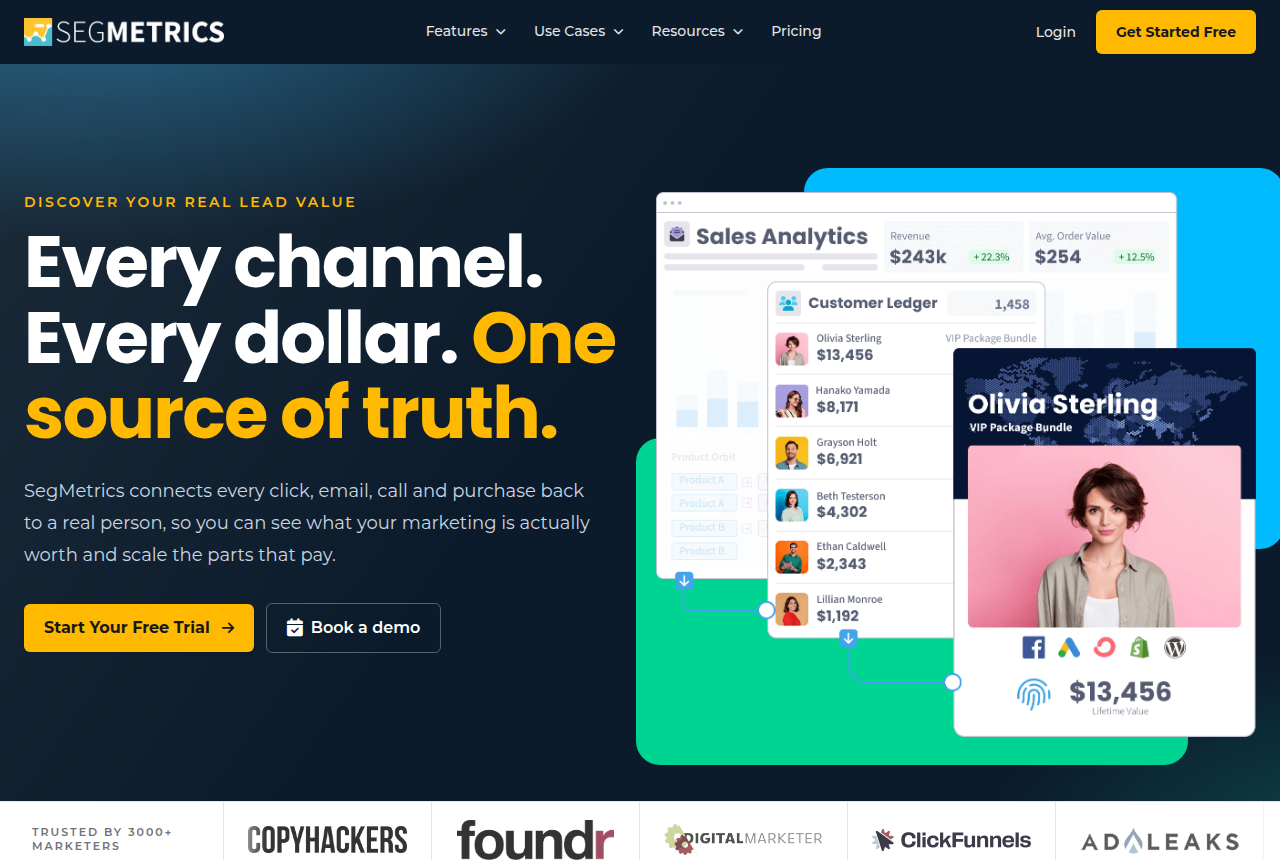
SegMetrics reaches attribution from the other end, and it never routes a click. It is a person-level marketing platform that connects your ad platforms, your CRM, your email tool and your payment processor into one timeline for each real person, then follows that person from first click through opt-in, email, webinar and sale, and reports what they are worth at every step. Its home page frames the promise as "Every channel. Every dollar. One source of truth." Two features do most of the work: contact journey reporting, which lays out every tag, sequence, charge, refund and renewal for a person in order, and its Conversion Feeder, which sends your real sales back to Meta, Google, TikTok and Bing daily. Where Voluum reads the click, SegMetrics reads the person. See the full SegMetrics review for who it fits.
The click versus the person
This is the fork, and it is not about which tool is more accurate. It is about the unit each one is built to measure. Voluum is deterministic and click-level: a specific click on a specific ad ties to a specific conversion, and the loop back to the platform carries that event close to real time. For an operator buying paid traffic, that is exactly the read you need, because your daily decisions are made at the ad, zone and campaign level and you want the platforms learning from real conversions fast. The read follows the click, and the routing is deep enough to optimize by publisher and sub-ID, which is where native, pop and push money is won or lost.
SegMetrics is person-level and lifetime-value-led. It stitches identity across tools and devices into one contact record, then reports value at each funnel step, so a webinar attendee, a lead-magnet downloader and a cold ad click stop being one undifferentiated blob and start carrying their own worth over time. That is the read a course, coaching or membership business needs, because in that model the value of a lead shows up over email days or weeks after the first click, and a native connection to the email tool follows the money the whole way. One Capterra reviewer's summary of the appeal is being able to tie every lead out to a named person, which is what makes the numbers feel trustworthy. Voluum gives you the sharper ad-side answer in near real time; SegMetrics gives you the sharper what-is-this-lead-worth answer over a long cycle.
Which one feeds the ad platforms
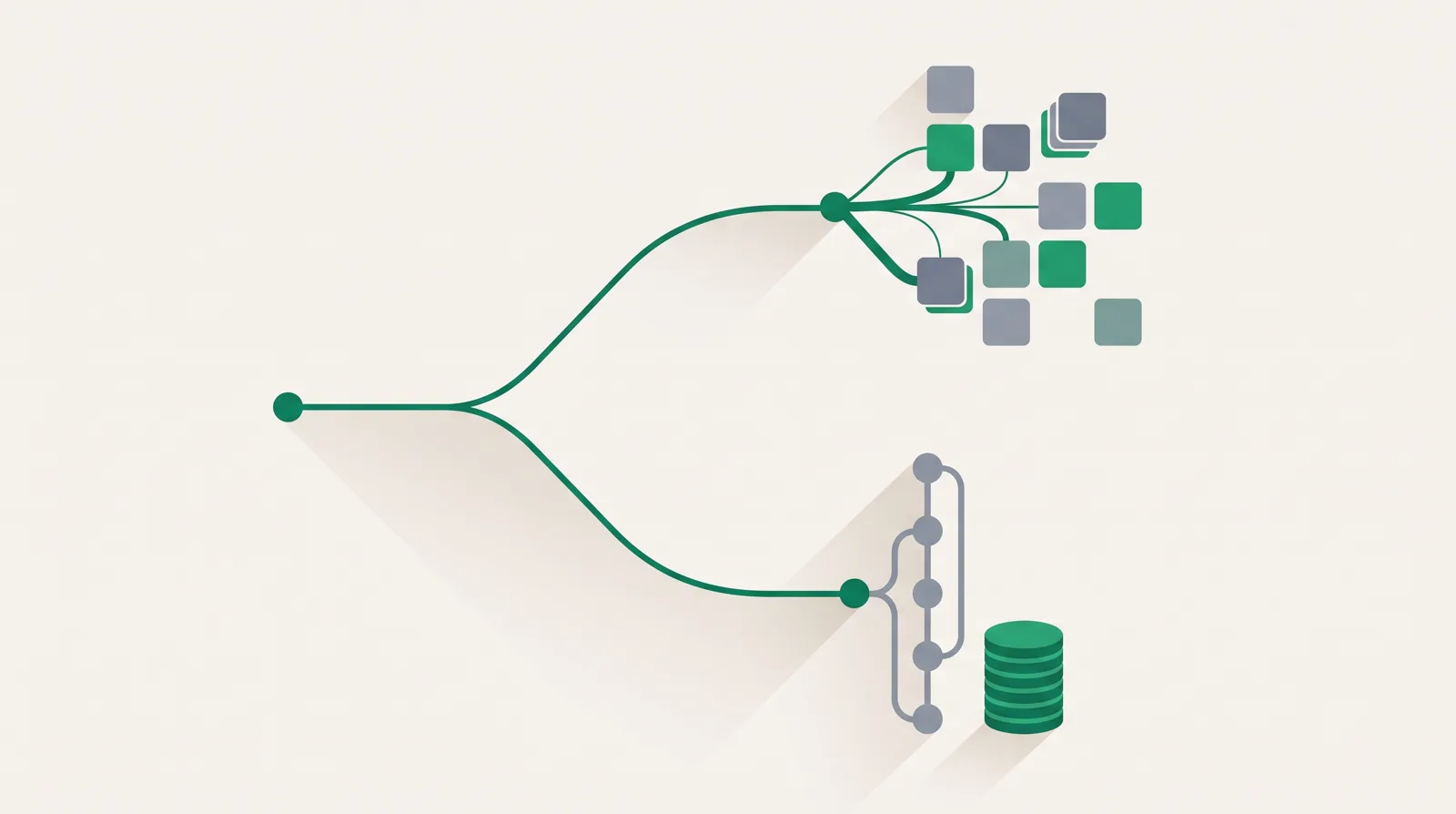
Both close the loop back to the ad platforms, which surprises people who assume only the tracker does. Voluum carries native conversion APIs to Meta, Google and TikTok and posts the conversion back off the click, with the fuller server-side depth reserved for its pricier tiers. SegMetrics closes the loop through its Conversion Feeder, sending your real sales back to Meta, Google, TikTok and Bing daily, and it adds a move Voluum does not: you can filter what you send by funnel or customer value, so a $50 one-time buyer and a $5,000 lifetime customer stop looking identical to the algorithms. If your edge is routing clicks to the right offer and feeding the platforms fast, that points to Voluum. If your edge is teaching the platforms to chase high-lifetime-value buyers out of a long funnel, that points to SegMetrics.
Why your numbers will not match Meta or Shopify
Both tools disagree with your ad platforms by design, because both exist to catch what a last-click pixel drops, and it is worth knowing how each gets there. Voluum reconciles at the click and posts a cleaner server-side conversion back, so on paid traffic it should read closer to backend truth than the platform pixel does, especially where iOS and cookie loss have thinned the pixel. Its documentation notes a conversion window up to 180 days, so a delayed sale still ties back to the click that earned it. SegMetrics starts from your actual sales and reassembles each contact's identity across tools, so it reconciles differently again and will not tie out to Meta, GA4 or Shopify to the dollar. In both cases that independent read is the point, not a bug. Treat whichever you choose as a decision layer you reconcile against backend revenue, keep your attribution windows consistent when you compare, and do not expect either number to match the platform dashboards exactly.
When neither is the shape of your problem
Both of these read a funnel you have already built and are already running traffic to. If the gap is further up, a few other tools answer a different question, on the same footing as the two above.
ElasticFunnels builds the funnel rather than measures it. It is a funnel platform for paid-traffic teams: landing pages with an AI builder that can clone a page from a URL, same-URL split testing where variants rotate server-side under one link so Meta and TikTok never reset their learning, a hosted checkout with order bumps, one-click upsells and multi-MID routing, and a CRM and attribution on the same data layer. It overlaps the attribution question at the edges, since a click, an order, a rebill and a refund land as one record, but its job is the build, not the deep click routing Voluum does or the lifetime-value read SegMetrics does. The honest caveat is that it is newer than the platforms it competes with and has very little independent third-party review coverage yet, which is what you would expect of a platform this new, so until you run real volume through it you are largely taking the vendor's word for it. You can check it on a 14-day trial with no card, and plans start at $97 a month with every feature on every plan, priced by traffic rather than by feature.
TrackPlay answers a question both trackers are blind to: what happens inside the video. It is a VSL player and analytics platform for paid-traffic funnels that draws per-second retention split into buyers and non-buyers, ties every play to the sale, and posts the cart-verified conversion back to Meta, TikTok and GA4 server-side on the play that earned it. If your offer runs on a video sales letter and you need to know which seconds hold attention and which lose the buyer, that is a read neither Voluum nor SegMetrics provides. It is narrow by design, though: built for paid-traffic VSL conversion, it is not a general video host or a B2B content library, so it has none of the channels, SEO pages or webinar tooling of a Wistia, and it is a poor fit if the video's job is content marketing rather than a direct-response sale. It bills on plays, starts at $29 a month, and has a no-card free tier of 1,000 plays a month to try it first.
Who each one is for
Voluum is the better default for this site's typical reader: an operator running real paid traffic to offers and landers they route themselves, who wants the deepest routing by zone, publisher, GEO, device and sub-ID, server-side postbacks that survive redirect-style flows, and anti-fraud on native and pop inventory, with the largest community in the category to troubleshoot it. Its ceiling is the funnel it does not read. It tracks the click, not a person's lifetime value across a long email cycle, there is no free plan to prove it out first, and hands-off automation means adding the Automizer layer on top of the plan. If your question is which media actually caused the sales across a whole channel mix rather than which click converted, a causal-measurement platform is the closer fit, and Voluum vs Measured covers that trade.
SegMetrics is the better pick for the course, coaching or info-product business scaling into real ad spend that wants person-level lifetime value per lead, transparent pricing it can model in advance, a 14-day trial to validate before it commits, and the loop back to the ad platforms closed with value-weighted sales. It rewards a business with a real email list and someone to own the reporting, and reviewers are honest that it is involved, calling it expensive and convoluted, so a lean solo team pays for it in setup time as much as in dollars. It is the wrong tool for a physical DTC store at scale, where a modeled measurement platform fits better, and you can see that trade in SegMetrics vs Measured, read the plan-by-plan SegMetrics pricing, or weigh the wider field of SegMetrics alternatives. For the full field of trackers and attribution tools, see the best ad tracking and attribution software.
What each one costs
Voluum is a cloud subscription priced on events and tiers, where an event is a tracked visit or conversion. The published Profit plan lands around $119 a month billed annually, and the ladder runs up through Scale and Agency to Enterprise at $1,599 a month, adding event ceilings, seats and the fuller server-side CAPI depth as you climb. The Automizer automation layer, which shifts budget and pauses campaigns by rules, is a separate add-on billed at $375 a month, so a buyer who wants hands-off optimization pays well above the plan line. There is no free plan, so you commit to a paid tier from the start.
SegMetrics is public and self-serve, banded by how many active contacts you have rather than by seats. Launch is $57 a month, Grow is $197 and is the recommended tier because it adds the Conversion Feeder that sends sales back to your ad platforms, Scale is $397 and adds server-side tracking on your own domain and a dedicated account manager, and Enterprise is quote-only for larger companies. Every tier includes unlimited users, and there is a 14-day free trial, a 30-day money-back guarantee and no long-term contract. Model one thing before you commit: the price scales with active contacts, so the headline tiers are a floor and a large or fast-growing list moves you up the slider.
Neither number decides this on its own, because the two are priced for different businesses. Voluum is the committed paid-traffic tracker you route offers through; SegMetrics is cheaper to start and built for an email-driven info-product funnel. Below serious spend, clean UTMs, server-side events and blended metrics like MER do most of the job for far less, and neither tool fixes a weak offer or a broken pixel. They make the numbers clearer. They do not make the funnel better.
Prices and buying terms checked on each vendor's own pages, current as of 28 September 2026.
Our pick
Voluum
Our pick for the operator choosing between these two. Voluum is the veteran cloud tracker built for the media buyer: it routes every click by zone, publisher, GEO, device and sub-ID, rebuilds the conversion signal server-side where a browser pixel fails, and flags junk traffic with its Anti-Fraud Kit. The published plan starts at around $119 a month billed annually, you start it yourself, and the user community is the largest in the category when a campaign breaks. The honest costs: fuller server-side CAPI depth sits on the pricier upper tiers, hands-off automation means adding the Automizer layer on top, and it reads the click, not a lead's lifetime value across a long email cycle.
Frequently asked questions
Is Voluum or SegMetrics cheaper?
Do both send conversions back to the ad platforms?
Can one of them replace the other?
Which should a paid-traffic operator pick?
Sources
From Voluum and SegMetrics
- https://voluum.com
- https://voluum.com/pricing/
- https://doc.voluum.com/article/track-conversions
- https://segmetrics.io/
- https://segmetrics.io/feature/conversion-feeder/
Other sources
2 discussions and reviews read for this page. Quotes are excerpts; open a link to read the original in context.
- [sm-capterra] SegMetrics reviews on Capterra
- [sm-trustpilot] SegMetrics review on Trustpilot
How we compared these
We do not run paid campaigns through either tool. We read each vendor's own documentation and pricing, verify every number against the source, and weigh the long-term reports of operators who run them at real spend. The full rubric is on the methodology page.